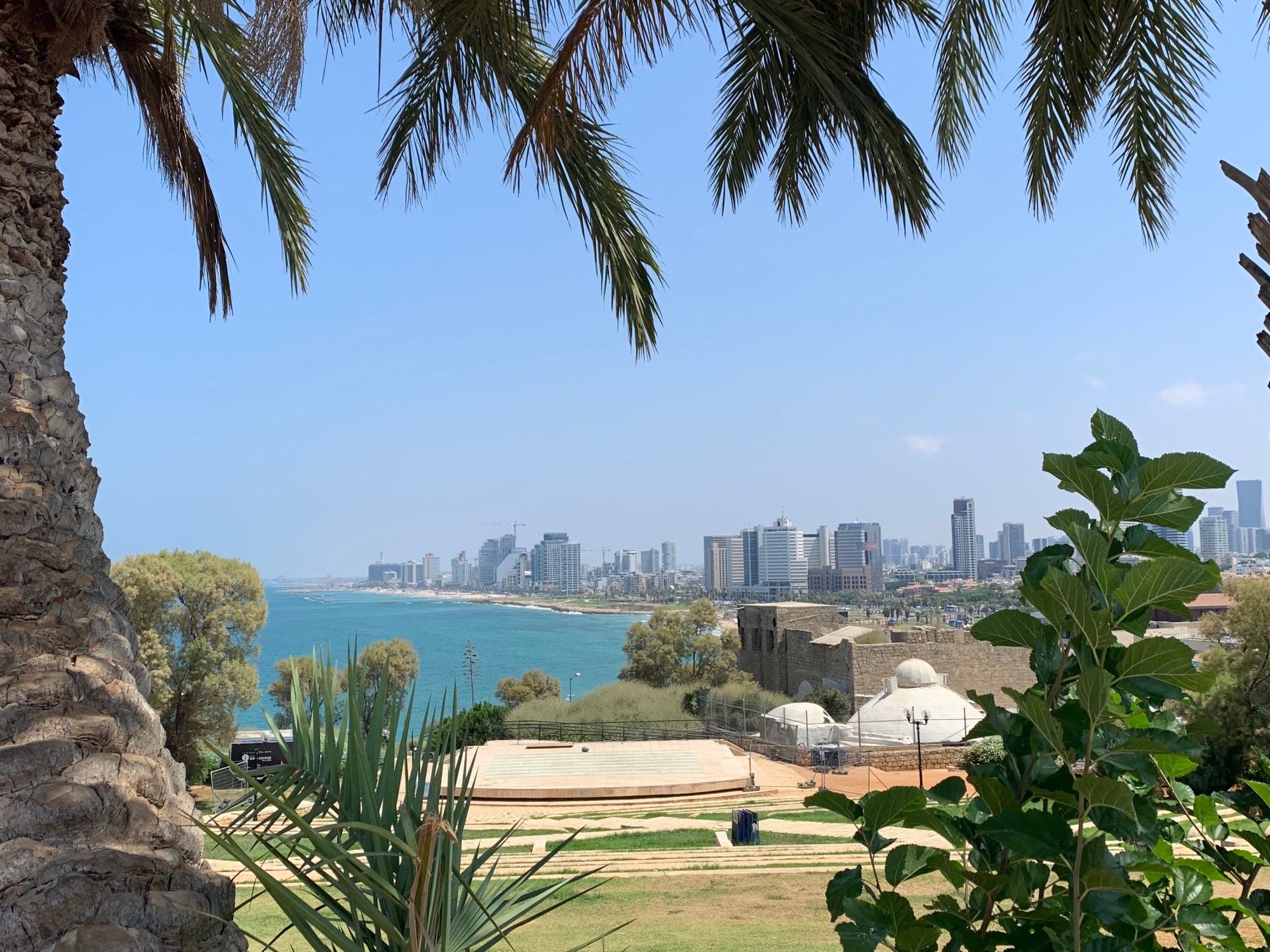
Although I was sad to leave the beaches and feta cheese of Greece, I was excited to have a change of scenery and culture. My first time in the Middle East, I wasn’t sure what to expect of Israel. When I landed in Tel Aviv, the first major difference I noticed was the heat — humid and stifling. The white buildings and pink bougainvillea laced, winding streets were replaced with wide boulevards, loud traffic, and graffiti colored industrial blocks. It took me a bit to adjust to the shock… I felt very much out of my element when trying to make my way to the hostel without my internet, a feat that took three times longer than it should have. When I finally arrived to the hostel, hidden in the heart of the Florentine district (a former industrial warehouse area now filled with young hip artists….think East Village grunge times 20), I had mysteriously broken out in hives and the hostel staff seemed skeptical about letting me stay. This hostel was very much the most “hostel-y” hostel I’d stayed in so far –creaky bunk beds, questionable sanitation, and an outdoor terrasse lounge perpetually filled with beer drinkers and hookah smoke. After hiding in my bunkbed for the rest of the day (after a quick trip to the pharmacy for antihistamines), I felt refreshed enough the next day to check out the city.
And so I set out on a free walking tour of Tel Aviv to get a feel of the city.
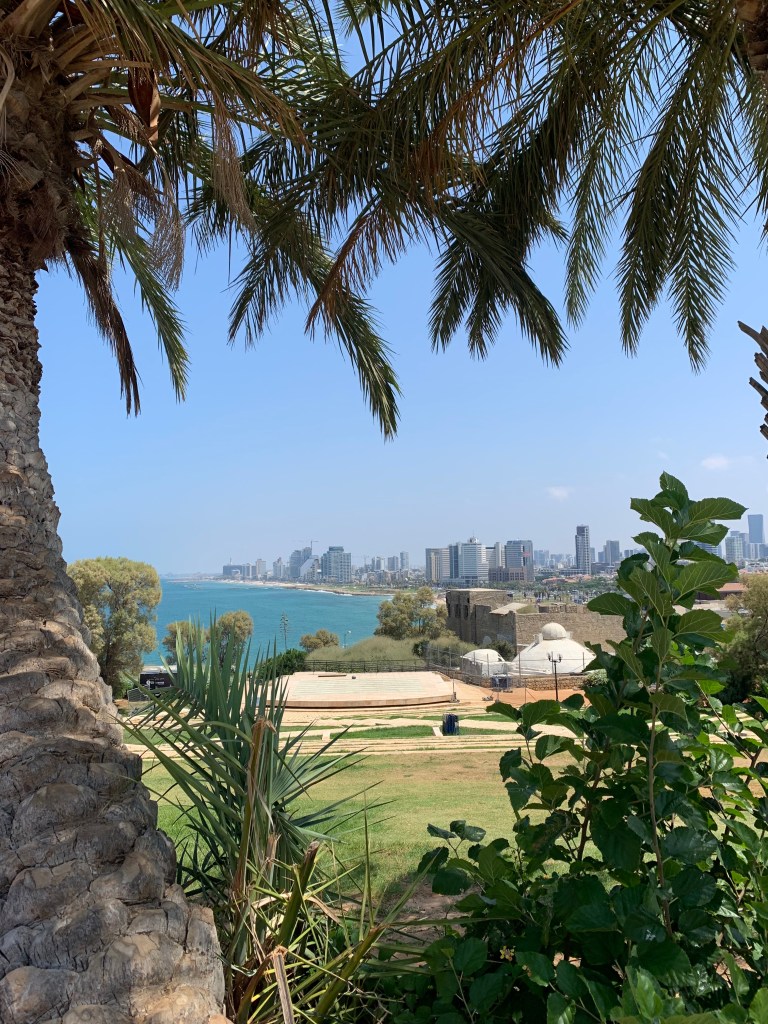
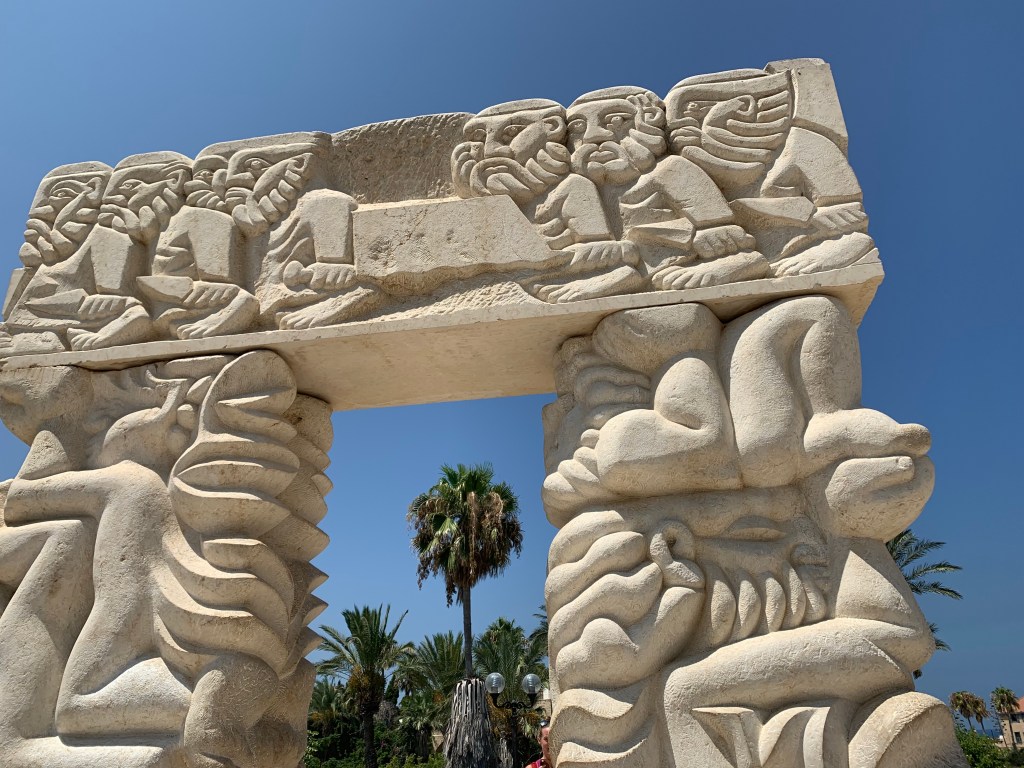
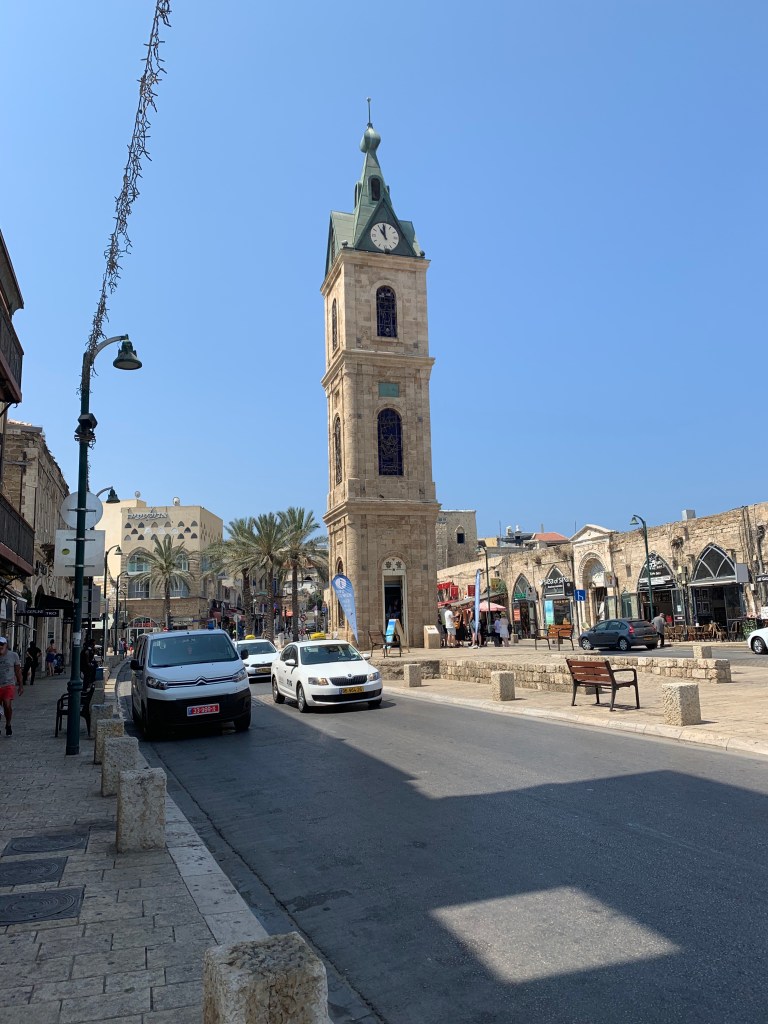
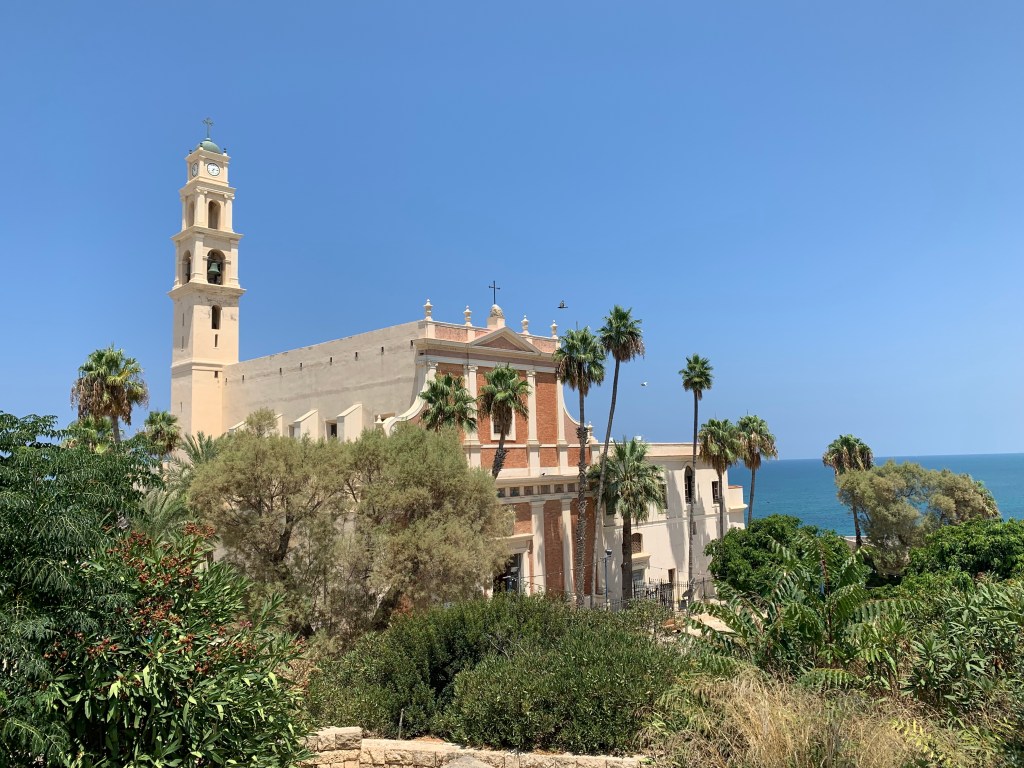
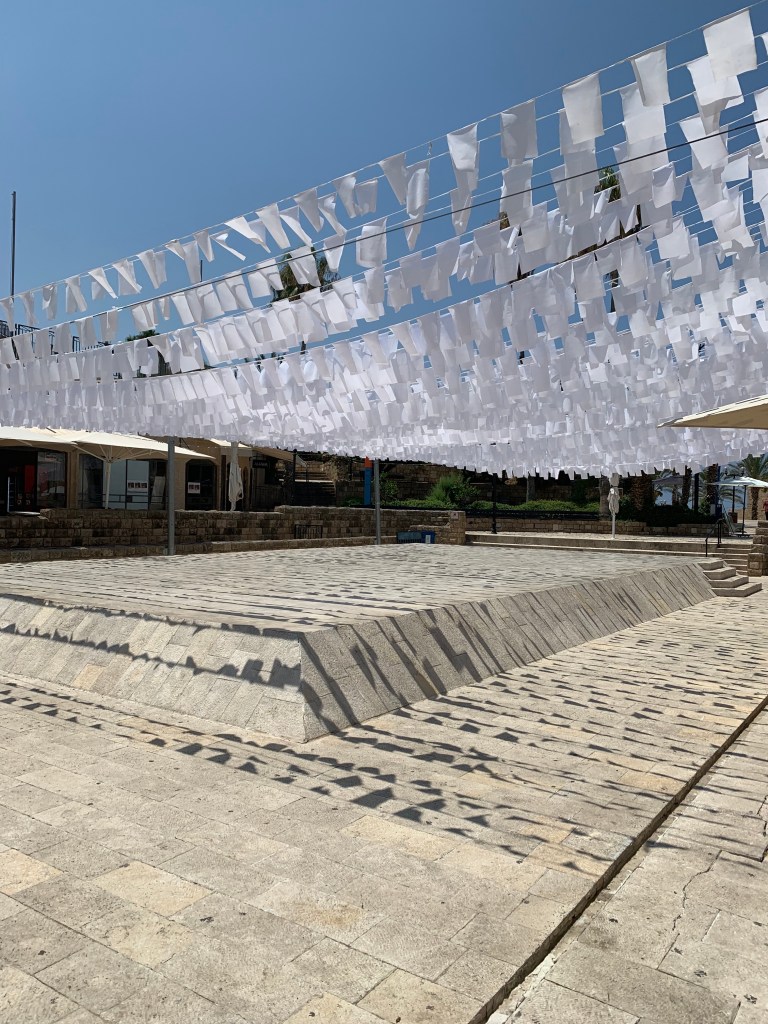
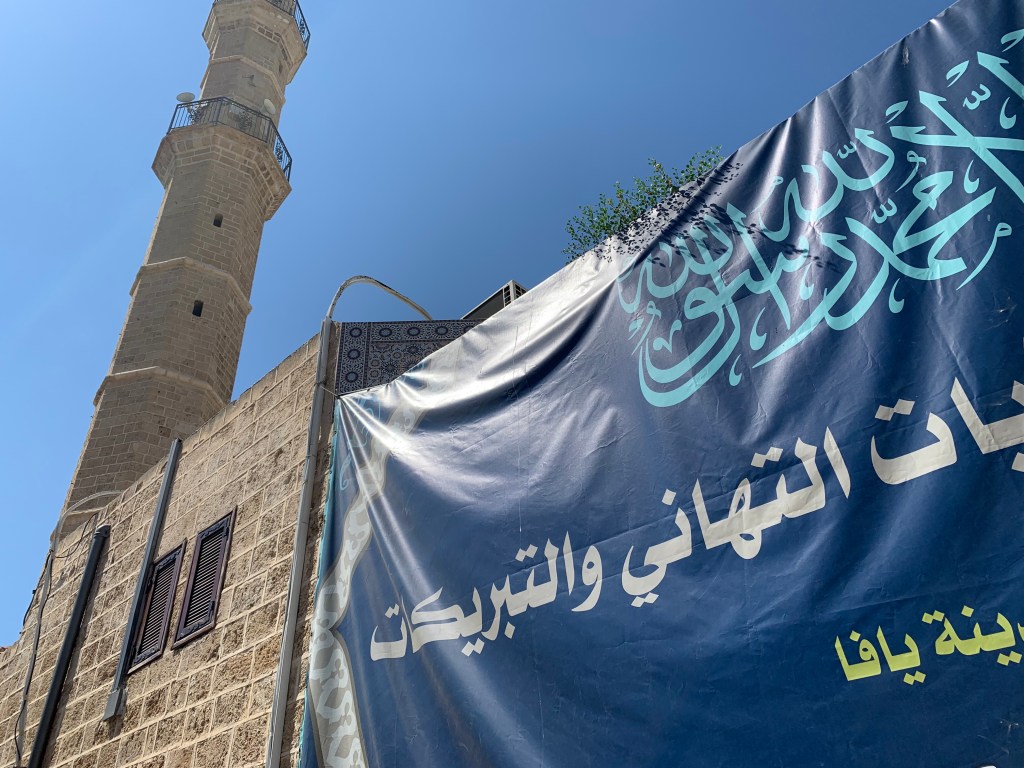
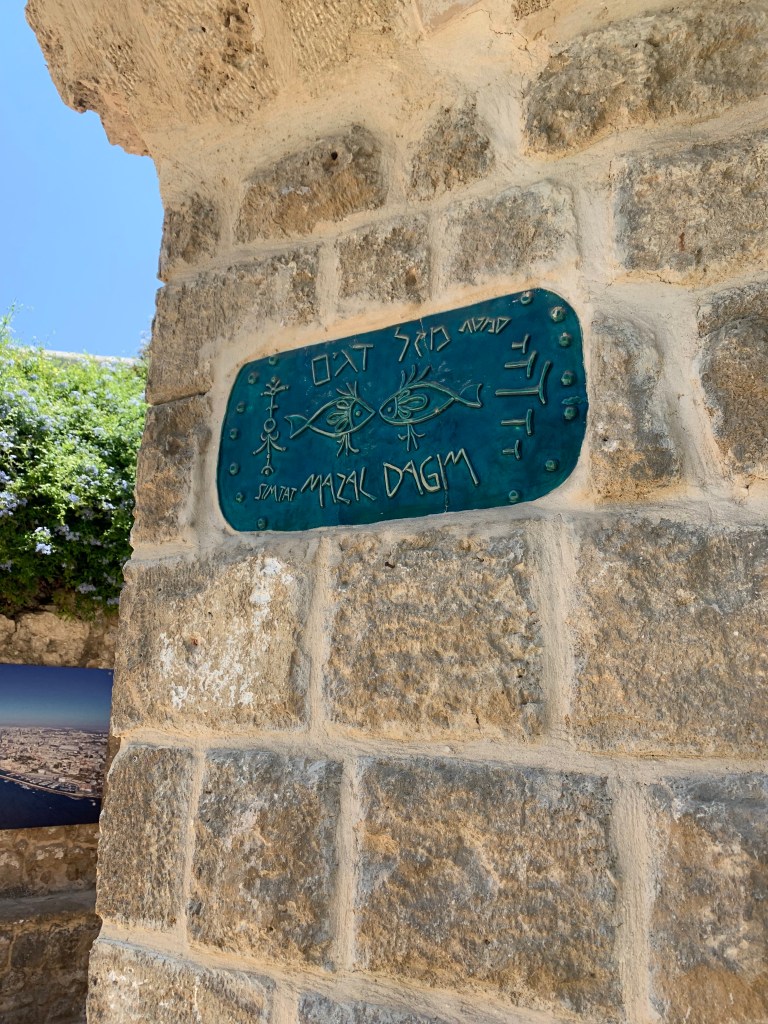
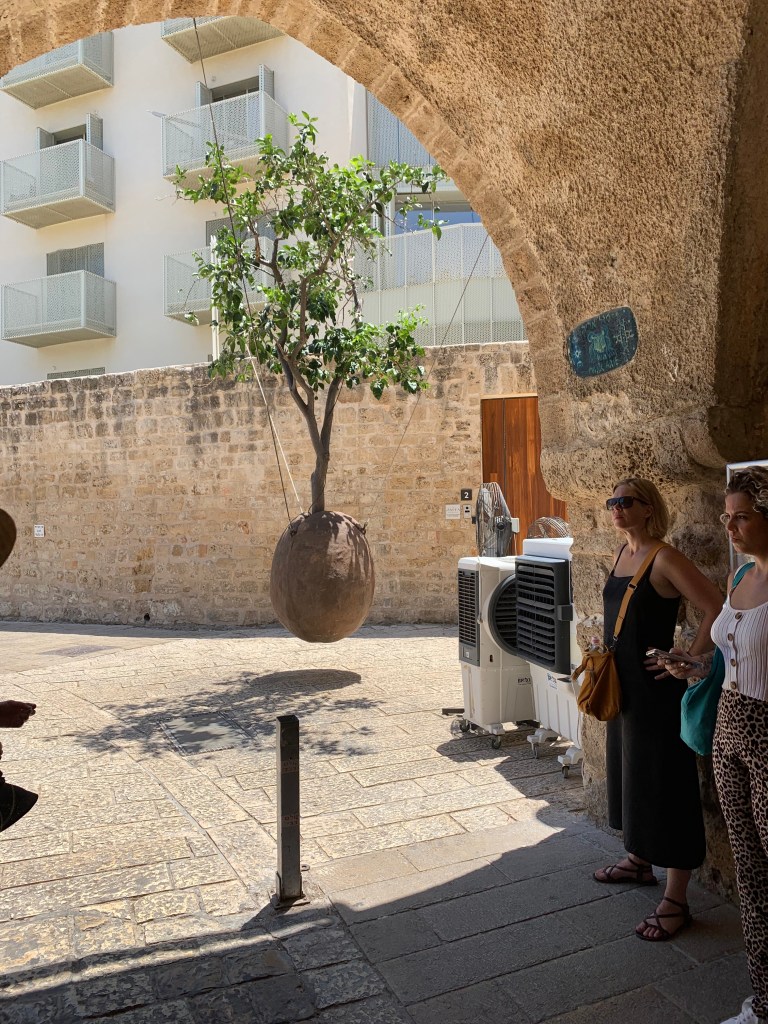
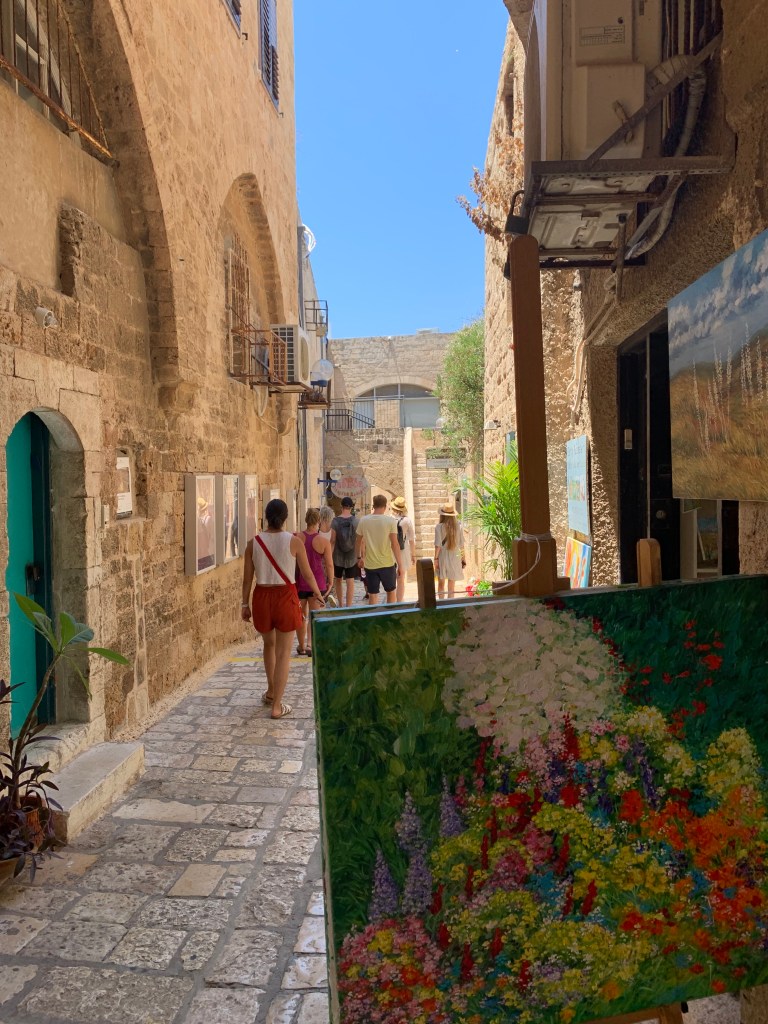
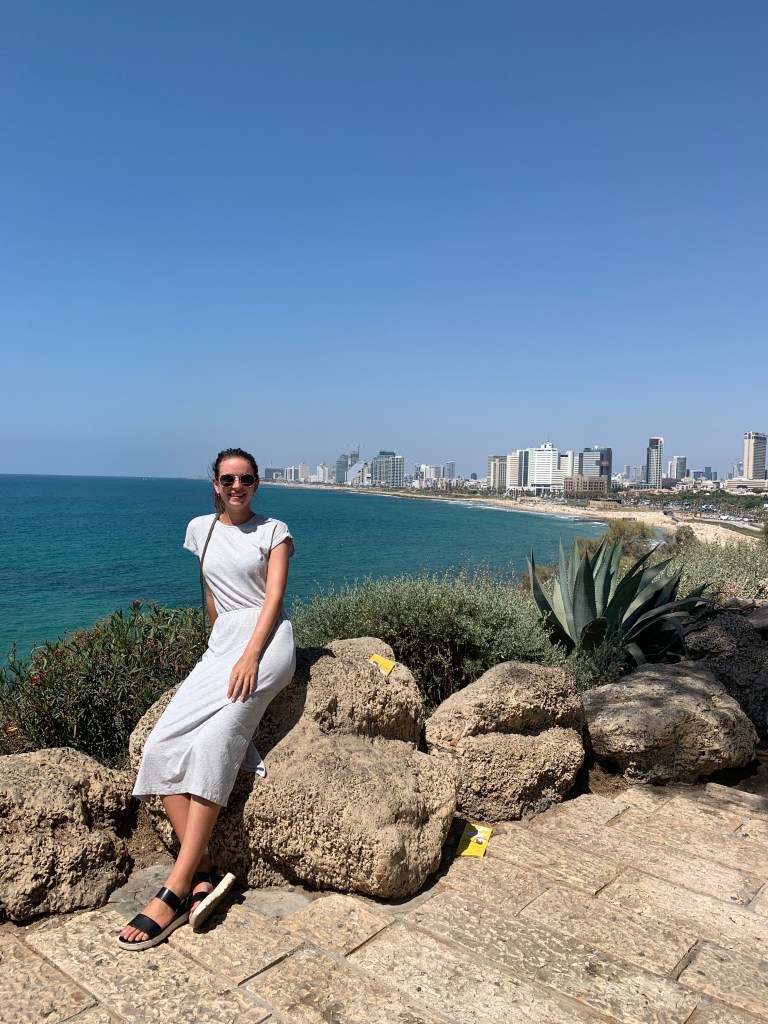
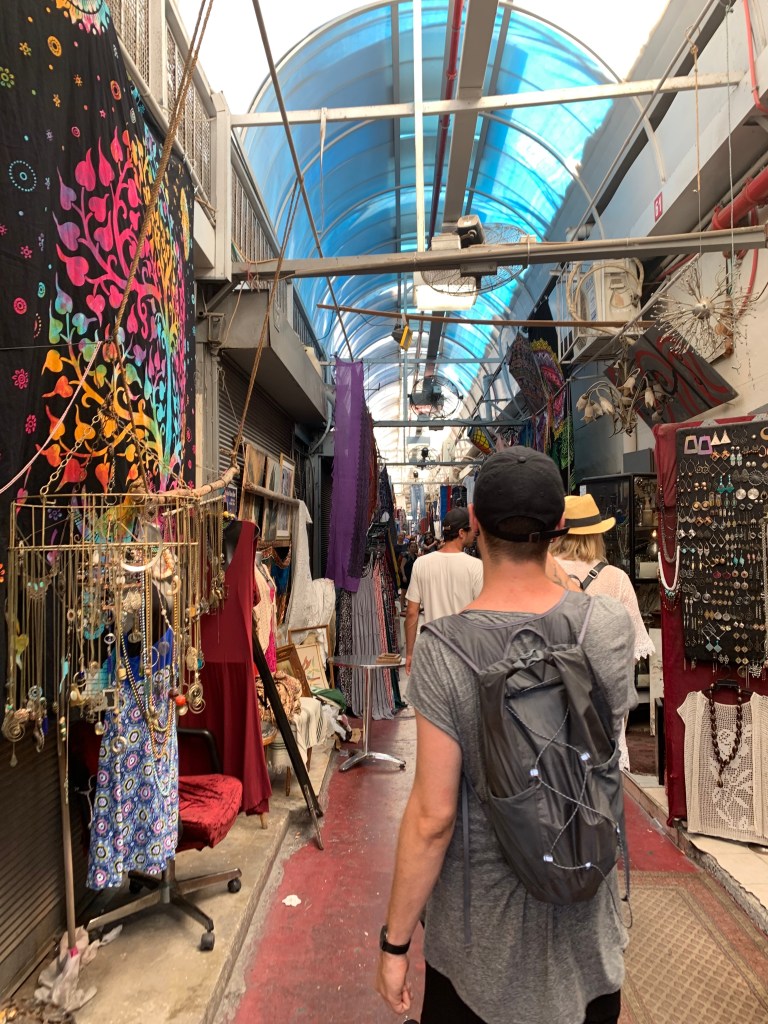
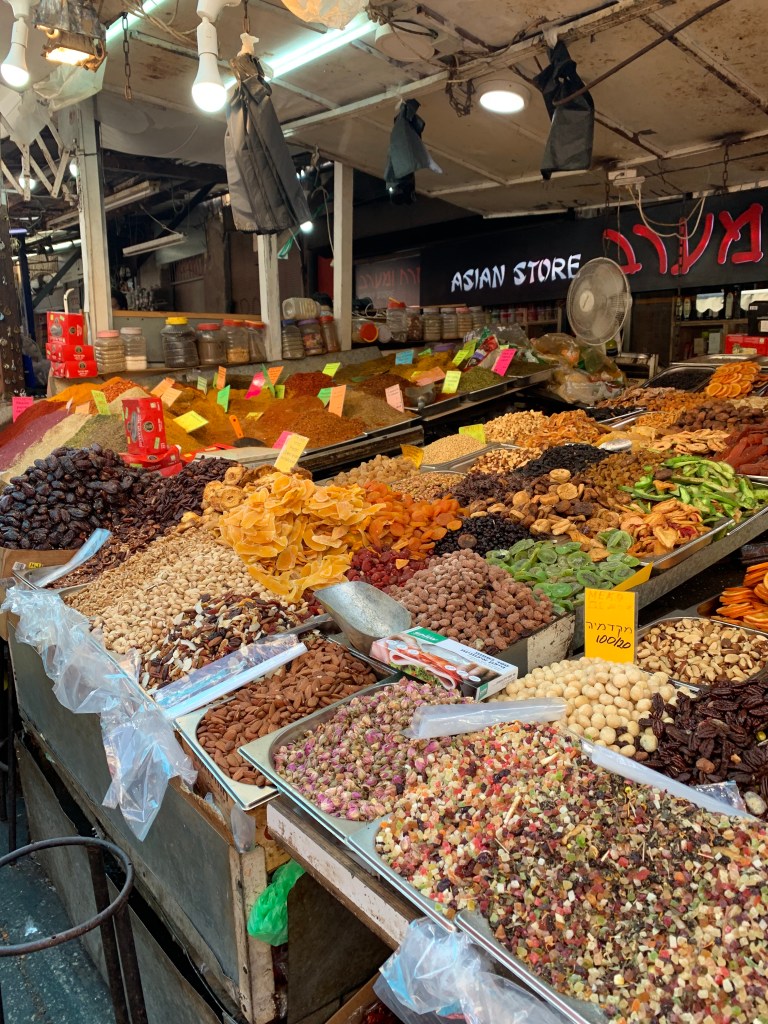
On the tour, I hit it off with another American who had been traveling for over a year and a half. Since it turned out we were staying at the same hostel, we spent the rest of the day together exploring the city. Her friend and her Israeli husband met up with us and gave us another tour around the area. After, we all went for hummus at a small, no-frills restaurant. Obviously a popular spot with locals, the ambiance was chaotic and fast-paced, (our waiter didn’t even ask us what we wanted, but just chose dishes for us), and everyone seemed to be yelling, smoking, and yelling some more.

This energy seemed to carry on into the nightlife. Every night at 11pm, the hostel organizes a group to go out– and every night without fail, a seemingly tireless group of hostel guests (constantly changing) hits a series of local hip hop and techno basement bars.
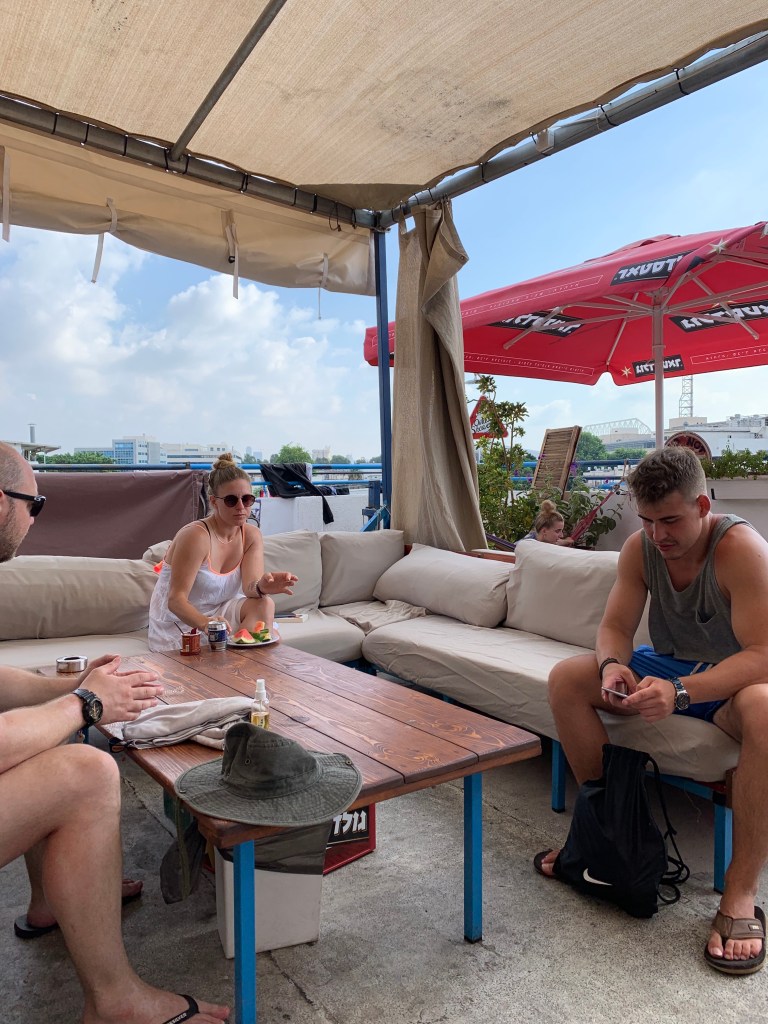
Just as in Athens, most hostel guests were stopping through Tel Aviv for no more than 2 nights. I, on the other hand, would be hanging around for 6 days (a time period that I found is pushing the limits for how long I can stay in a party hostel). Because I was there for longer, I got to know some of the hostel staff and other long-term guests. The hostel (Florentine Hostel for those of you wanting recommendations) was perfect for a budget traveler: every morning they offer free breakfast, and every evening the staff makes dinner and you’re only asked to leave a tip (if you want to). In addition to that, they sold beer and wine for only 10 shekels (around 2 dollars), and would come around with free shots later in the night. It was difficult NOT to meet people at this hostel— sit on one of the outdoor couches for more than 2 minutes and someone will strike up a conversation (whether you want to engage or not).
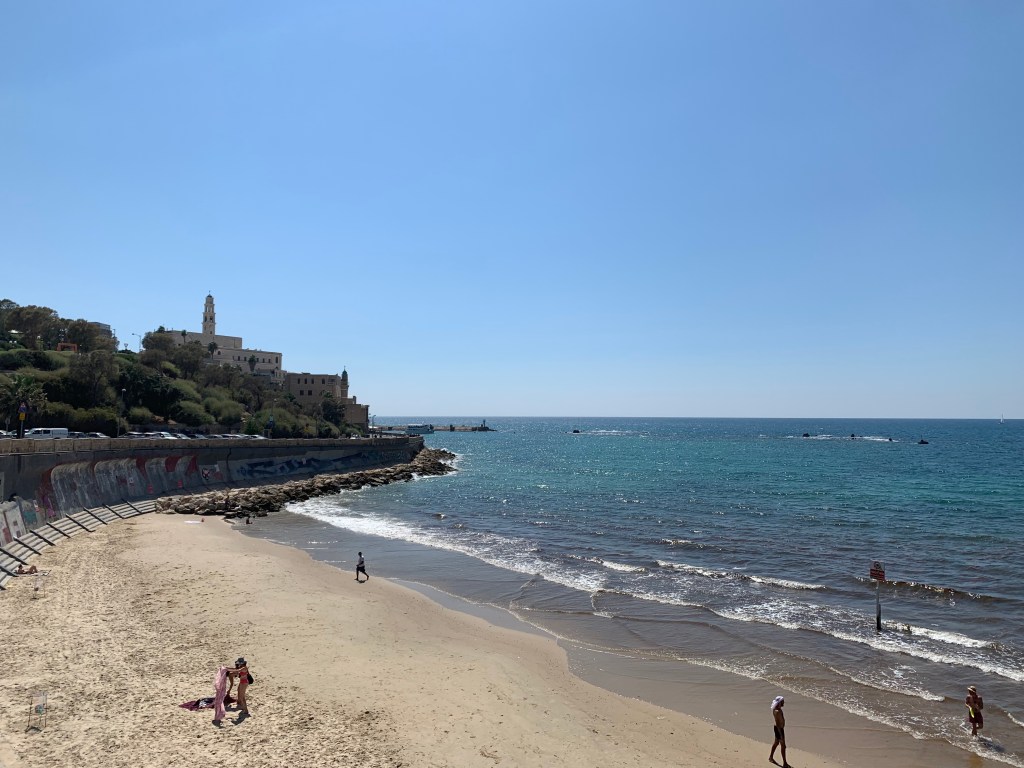
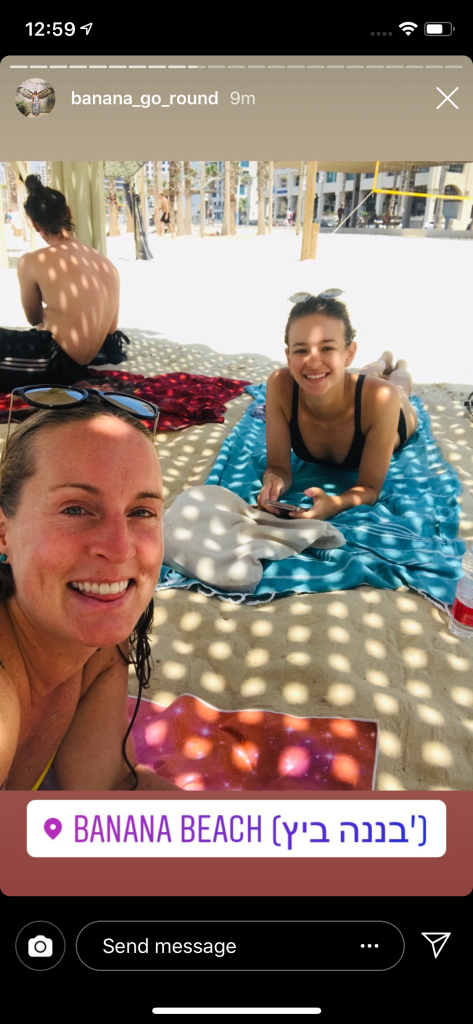
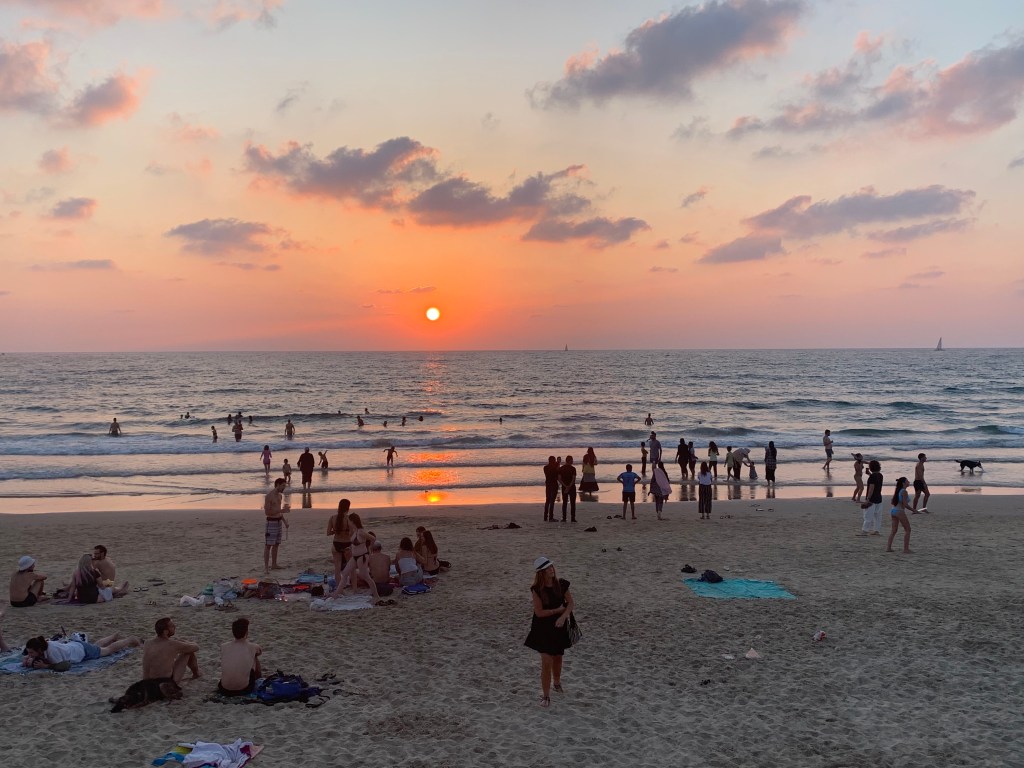
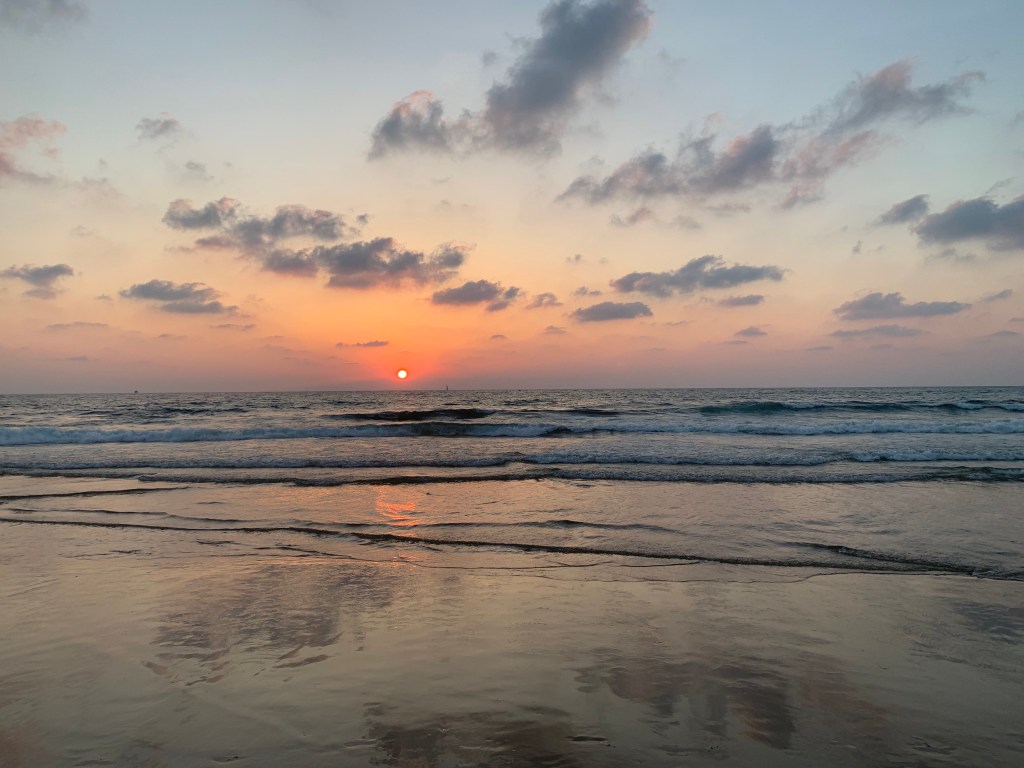
Although I thought I’d escaped the beach for good by leaving Greece, I was surprised at how great the beaches in Tel Aviv were. Since the city is built along the coast, a series of well-maintained beaches is always easily accessible. It was easy to go explore in the city and then cool off mid-day with a swim, or stop to watch the sunset.
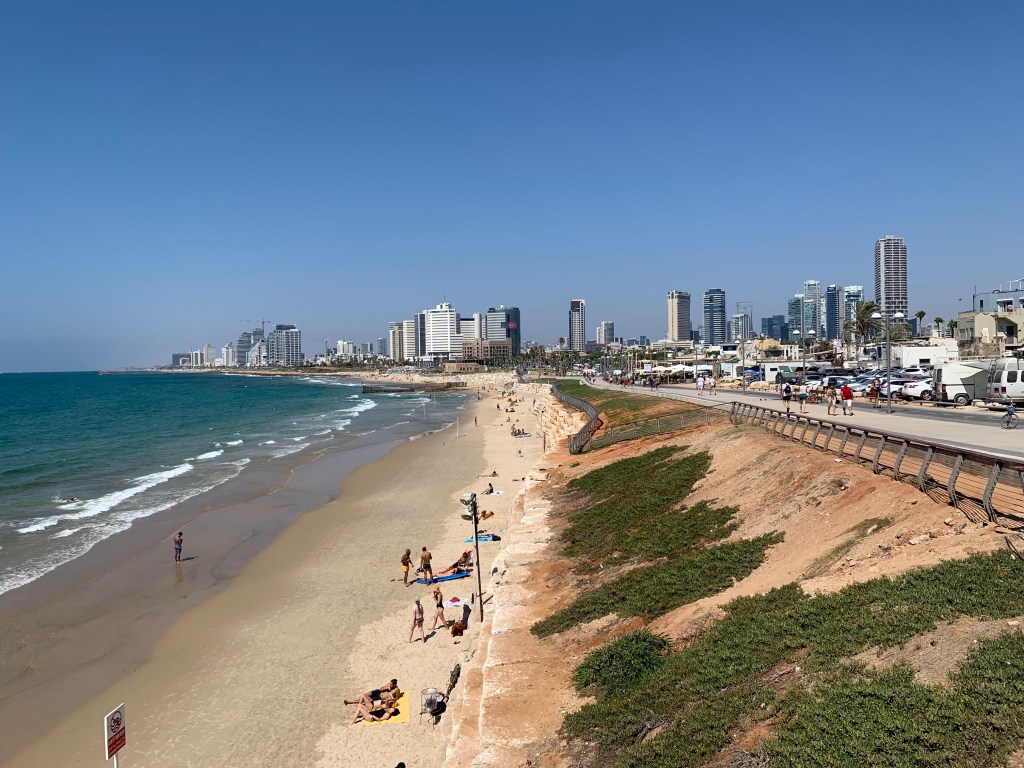
I have to admit, even after spending 6 days in Tel Aviv, I still didn’t have a grasp on the city. It’s at once historic and modern, traditional and progressive. Religion is both everywhere and nowhere. Some areas are industrial and grunge-y, with graffiti and boutiques and artsy cafes, and other areas are clean and wealthy, with nondescript buildings and commercial strips. What surprised me was that even in areas that appear poor and run-down on the exterior, prices were that of West Village NYC. Those who told me the city was great for vegetarians were right — for the first time in a while I got to actually experience the tastes and traditional cuisine of the culture (something I often have to sacrifice when I travel). Pita, falafel, hummus, and sabich were the highlights.
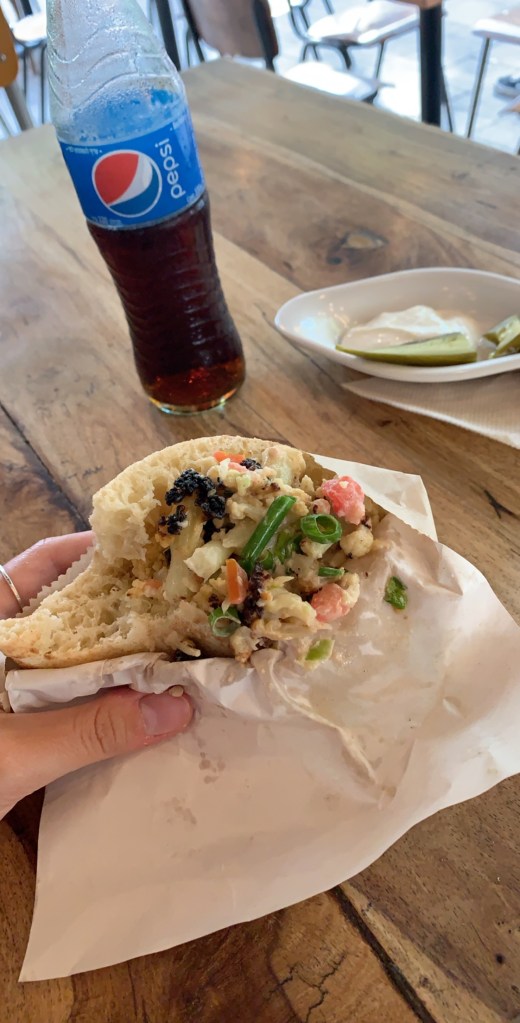
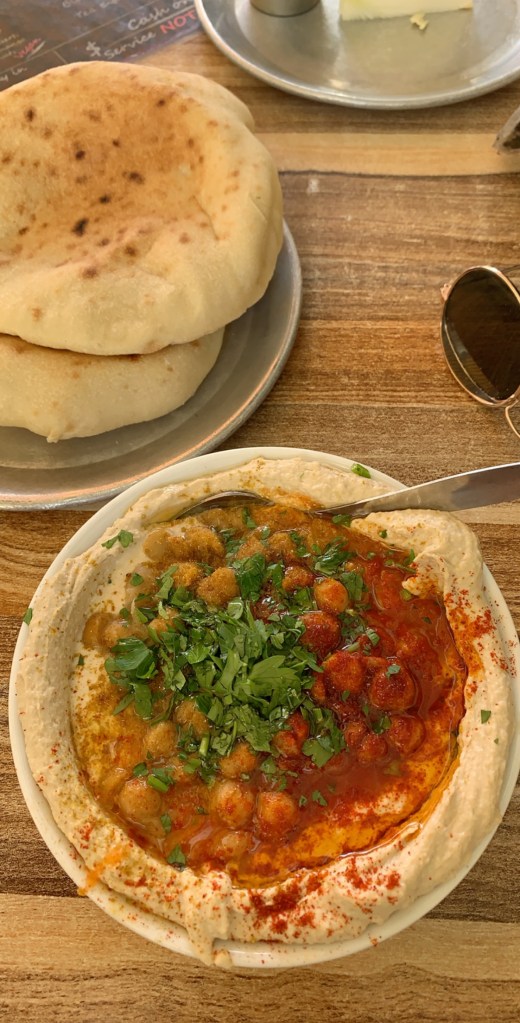
If there is anything Tel Aviv is not, it’s boring. Illusive, confusing, and overwhelming at times….but not boring. For me, the city was best at night — areas that were almost hauntingly empty during the hot afternoons were packed full of party-goers after dark, walking with beer bottles, smoking, and descending into windowless clubs vibrating underneath the city. I think techno is starting to grow on me…
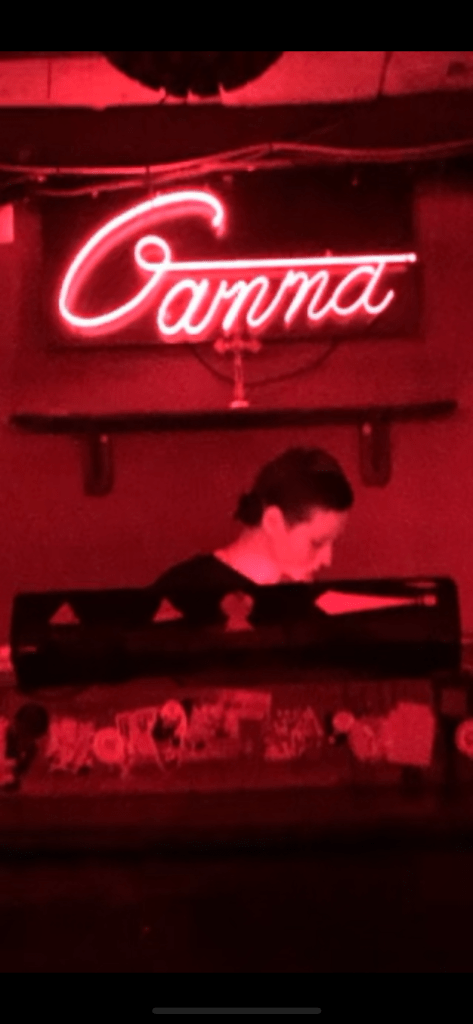
I’ll leave you with this snapshot of a cross hanging above the DJ booth in an underground hip hop club as a symbolic representation of Tel Aviv.