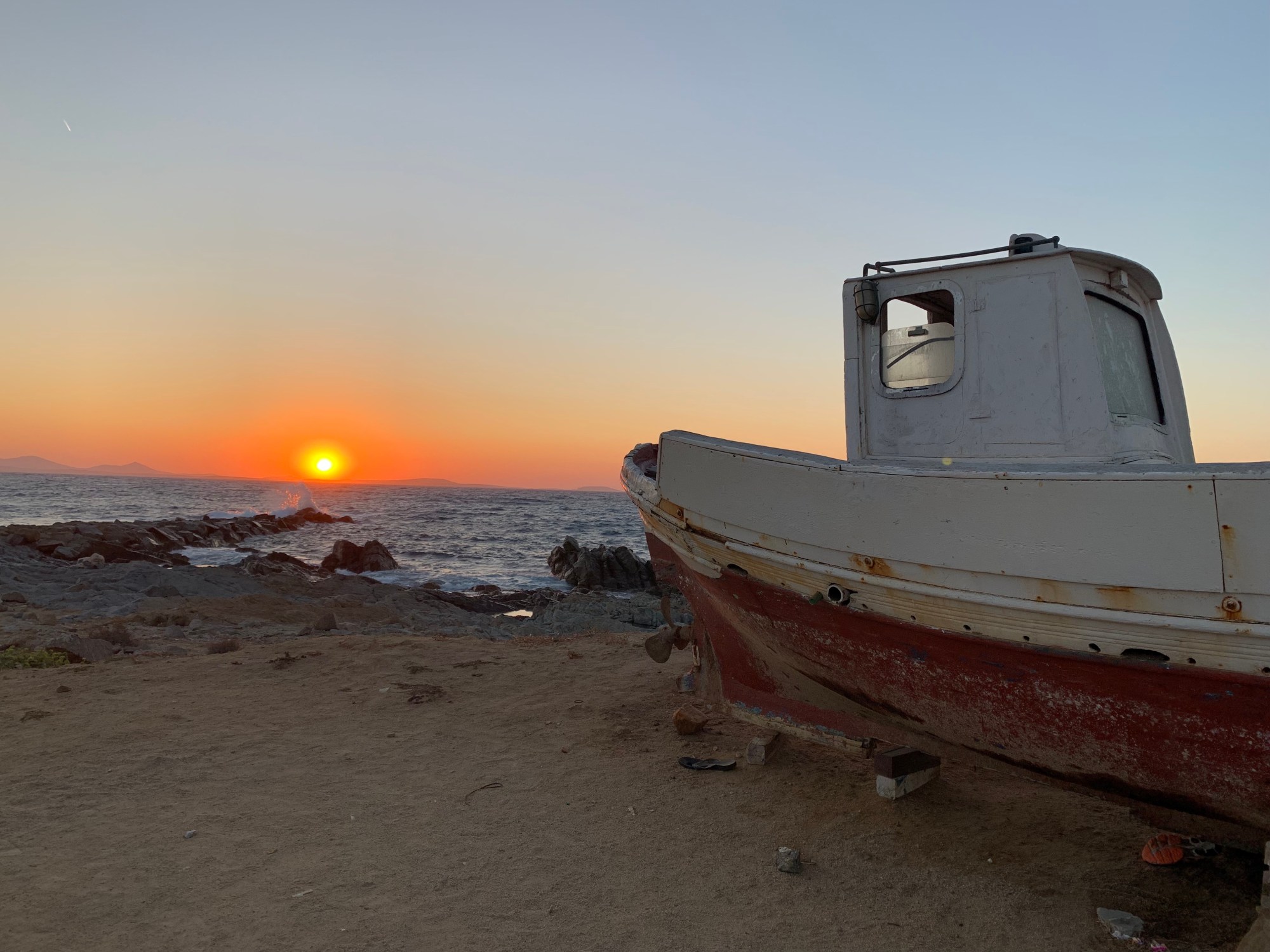
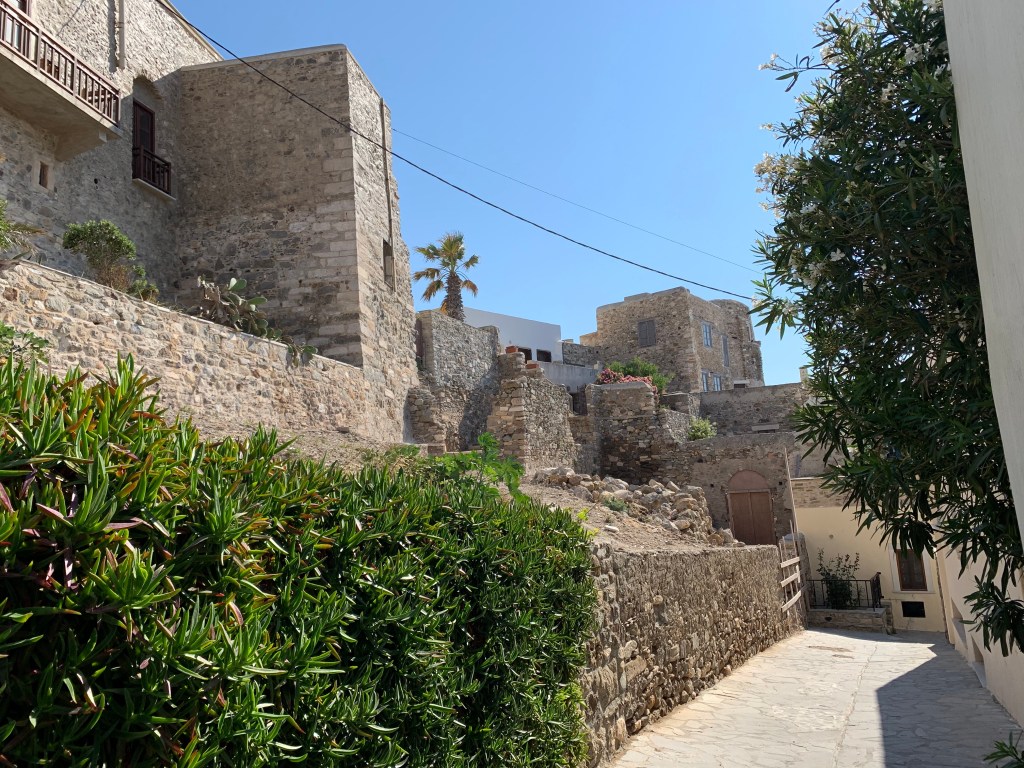
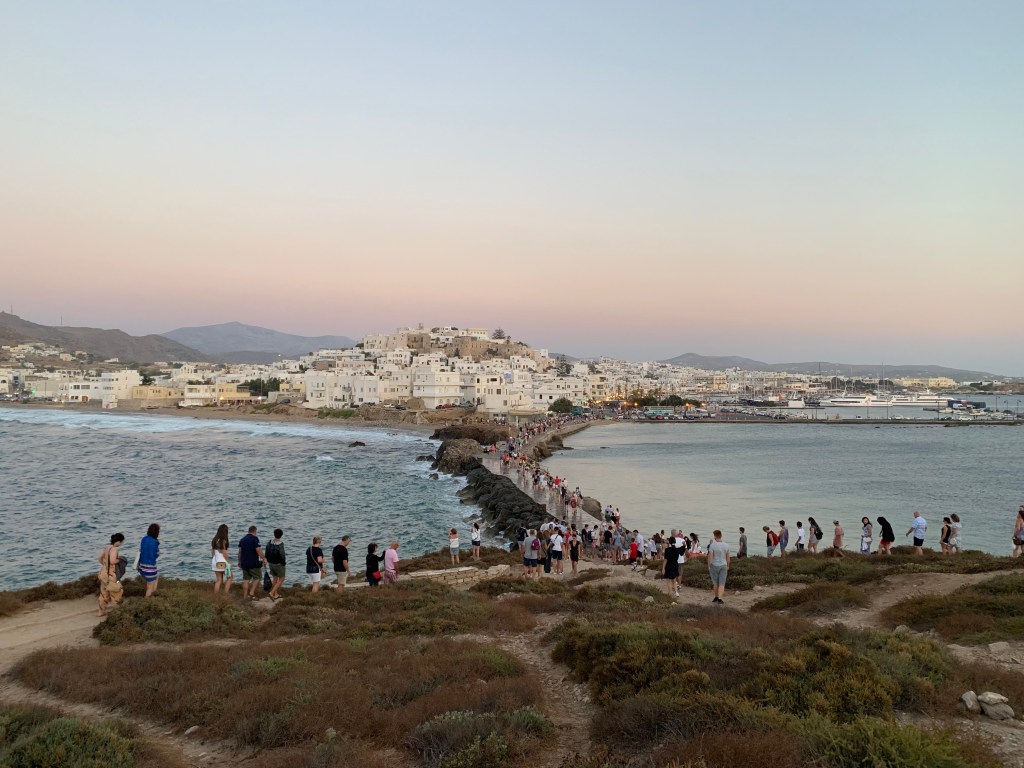
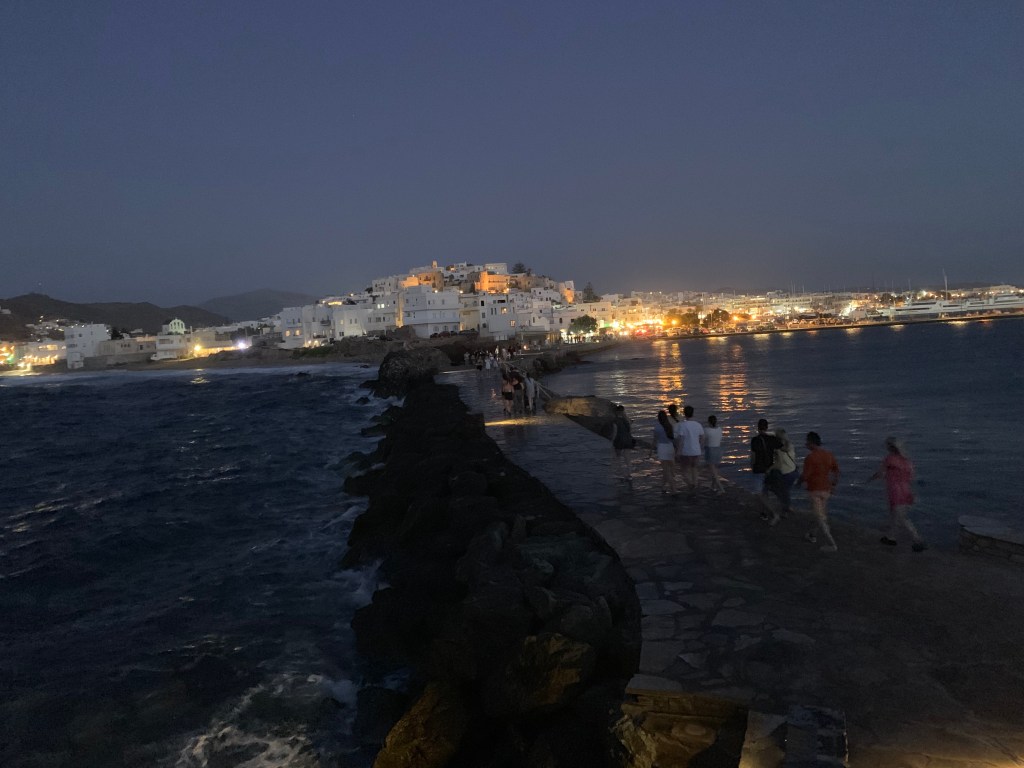
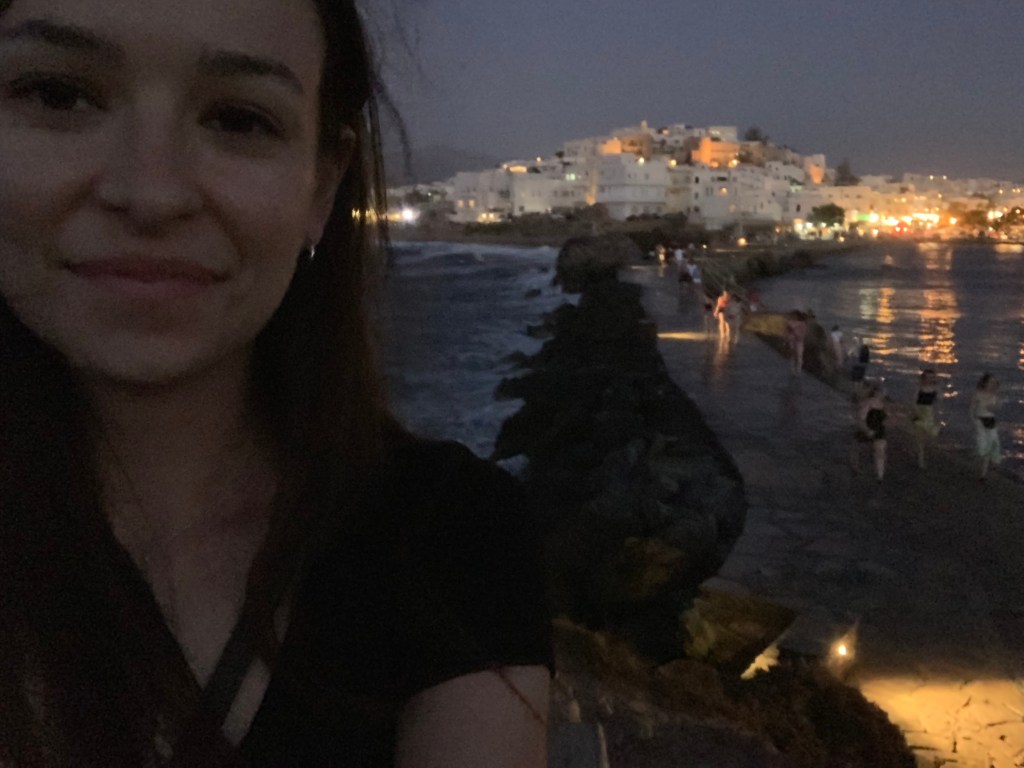
Visible from the island of Paros, Naxos is the largest of the Cyclades island chain. It’s known as a more family-friendly island, with a wide array of beaches and both coastal and mountainous villages. I spent my first day wandering around Chora, an ancient town curled around a hill topped with a 12th century castle. The fortress also includes a chapel, monastery, and an old once-renowned private girl’s school.
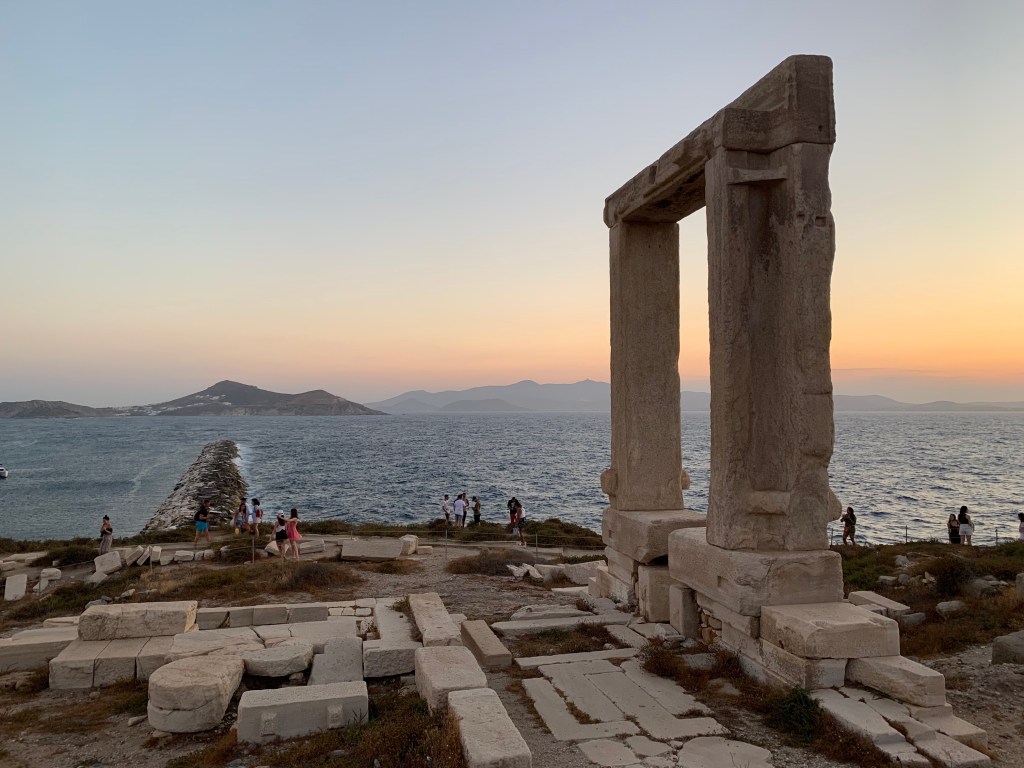
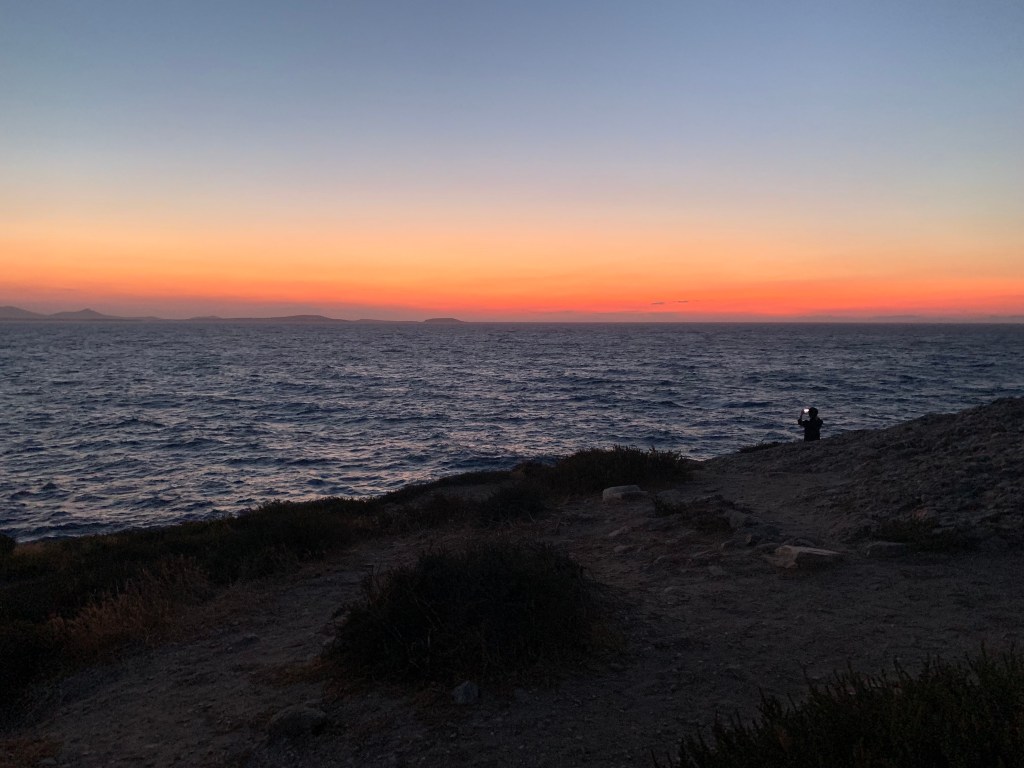
Before I let photos do the talking for me, here are some things to know: Naxos is distinguished by the ruins of a giant marble gate standing on an islet at the entrance to the harbor. The gate, also called the Portara, is the last remnants of an unfinished temple to Apollo started around 530 BC ( and one of the best places on the island to watch the sunset). Talk about poetic inspiration.
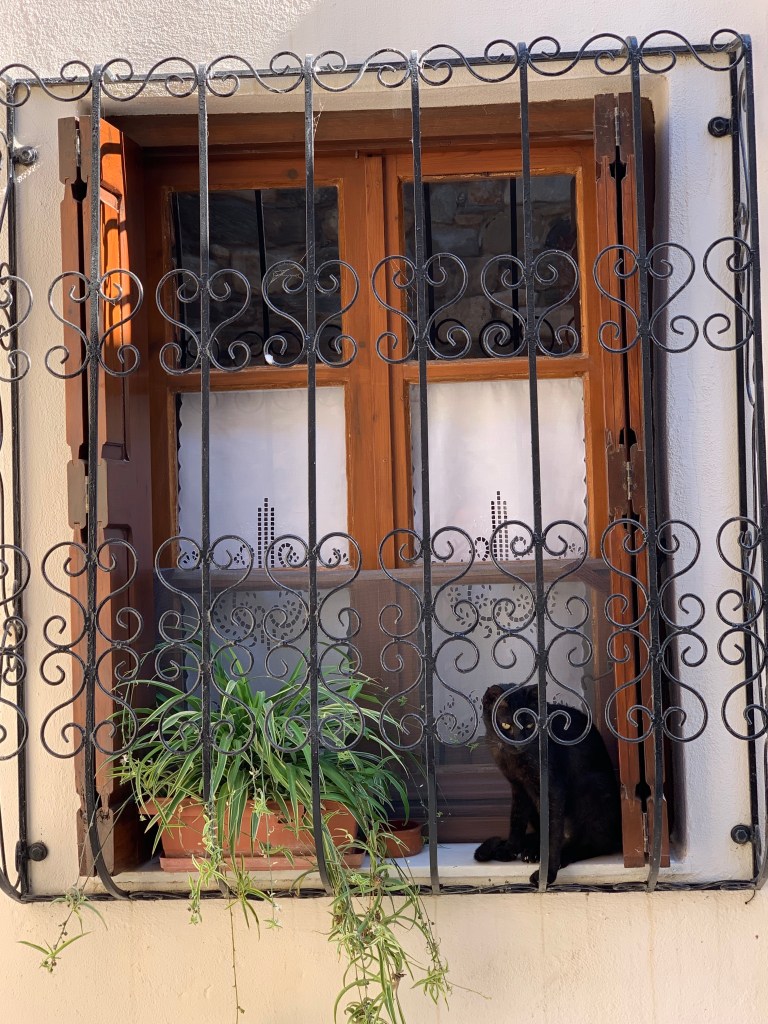
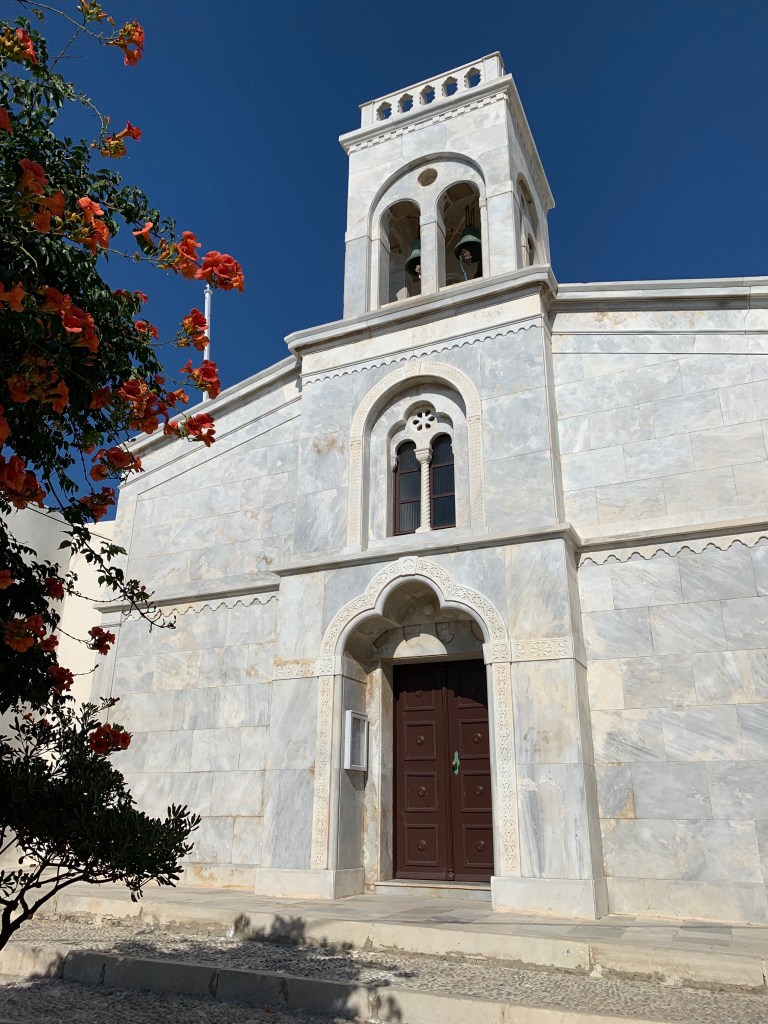
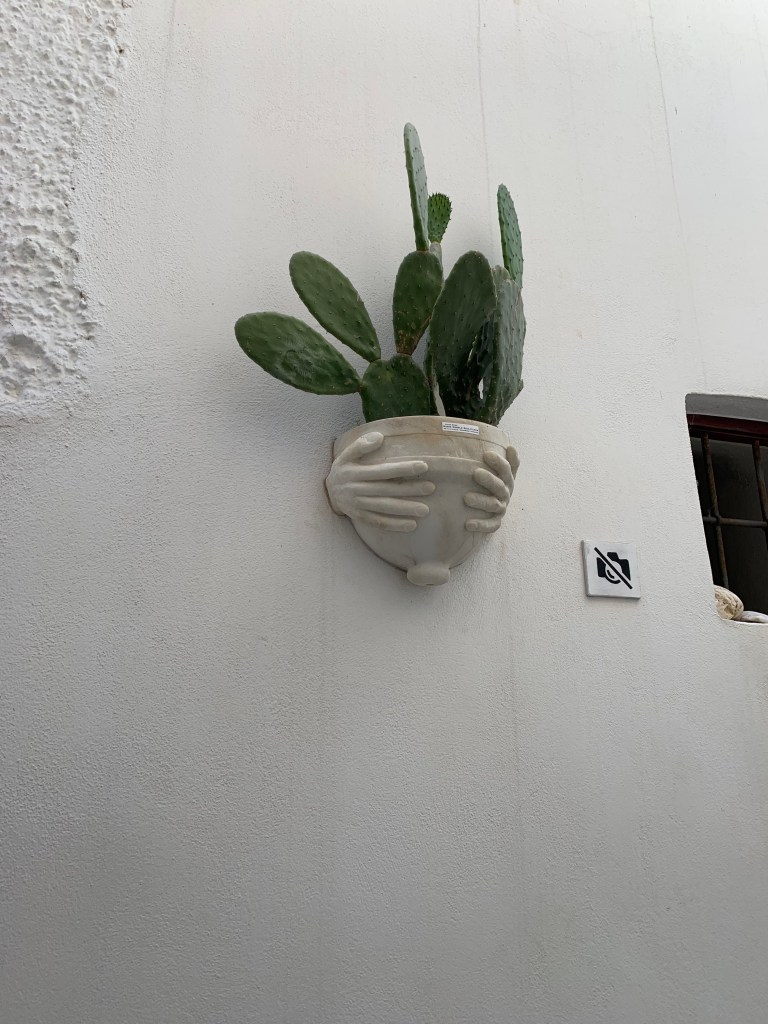
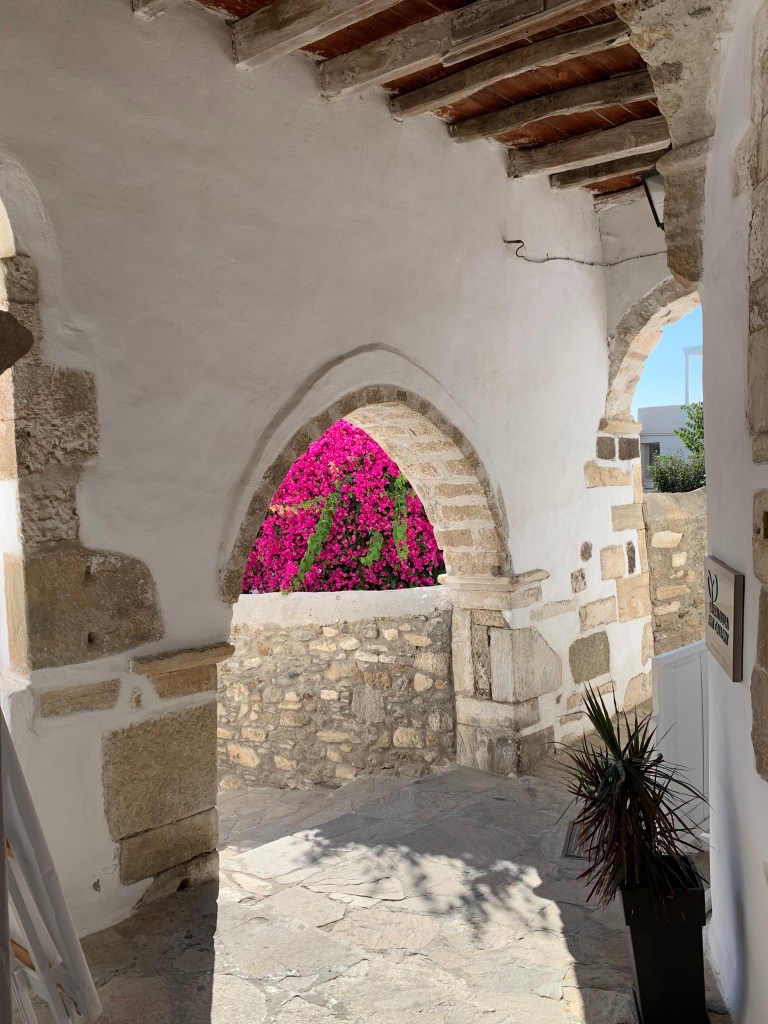
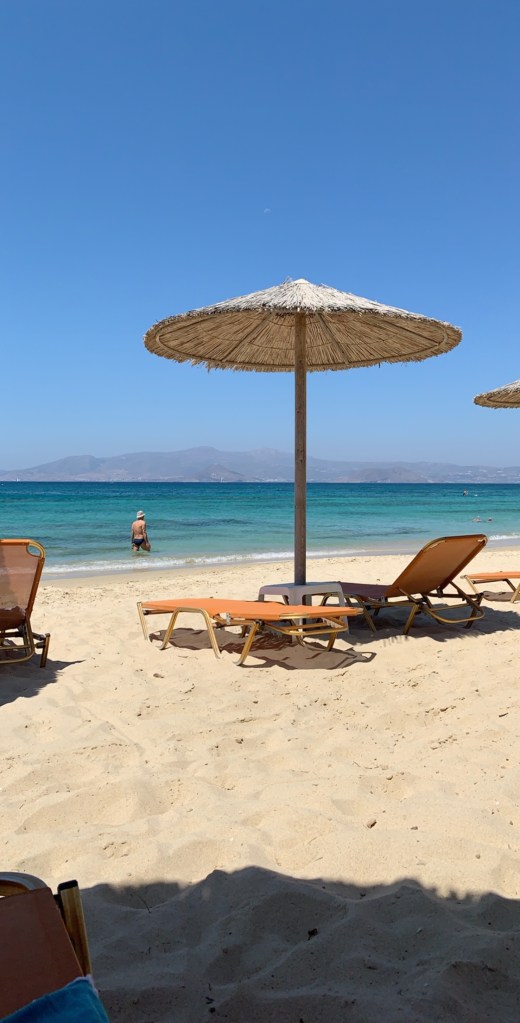
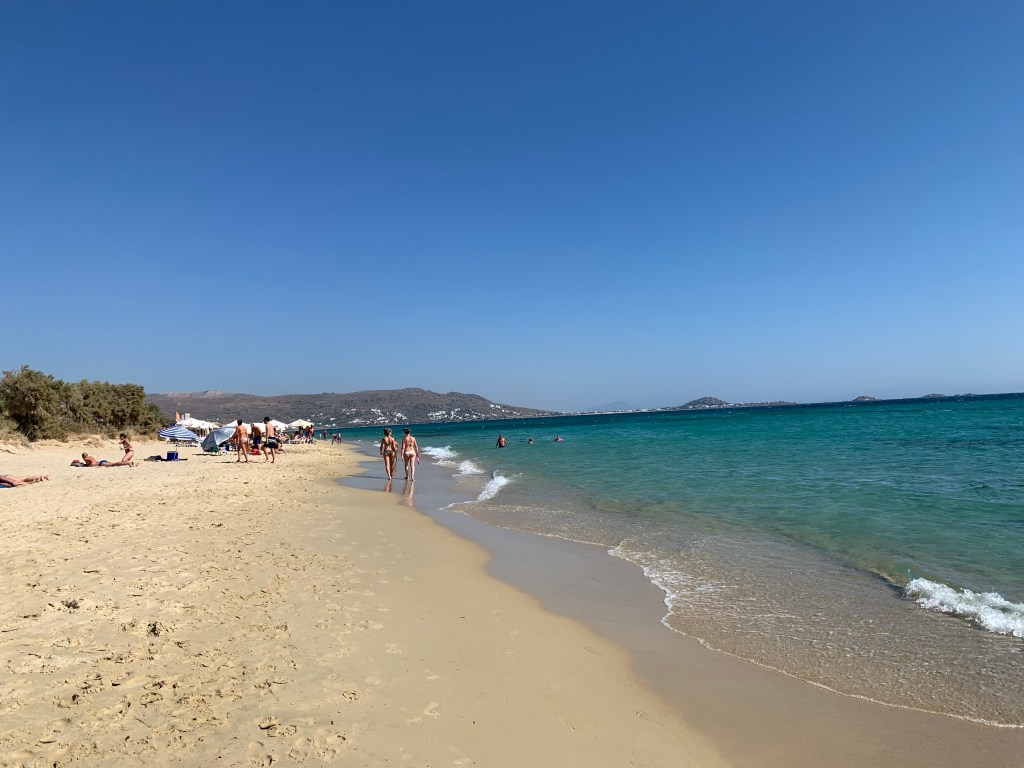
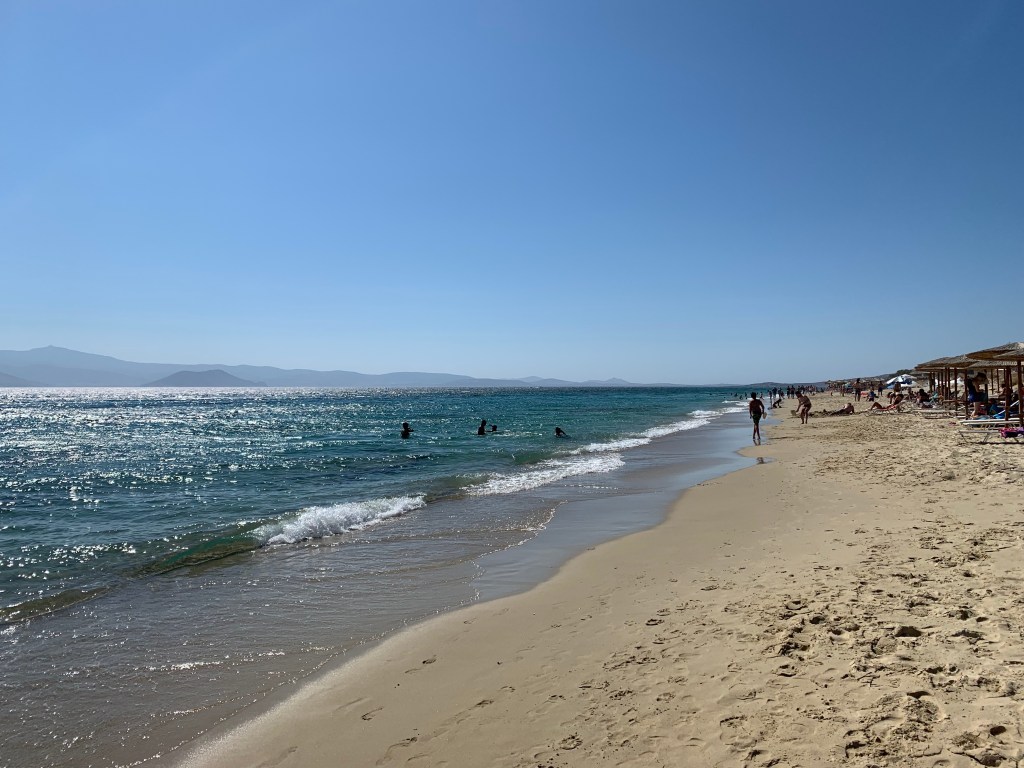
The next day I did as I’ve done every day so far on the trip —- I set out for the beach. I took a short bus ride out of the main town to reach a long 4 kilometer stretch of sandy beach called Plaka Beach. One review on TripAdvisor praised it as a “great beach for textile and non-textile sun worshippers,” so I was sold. This turned out to be perhaps the best beach I’ve been on in Greece: perfect soft sand, crystal blue waters at just the right temperature, and just busy enough without being insufferable. I’d rate it 10/10 on TripAdvisor.
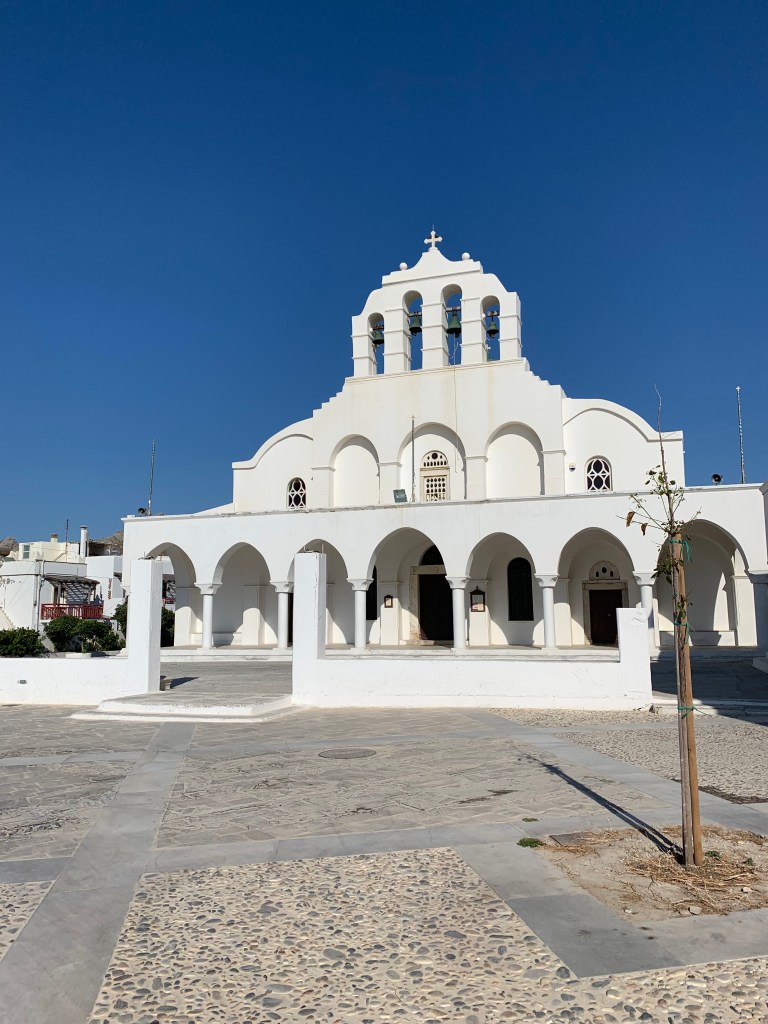
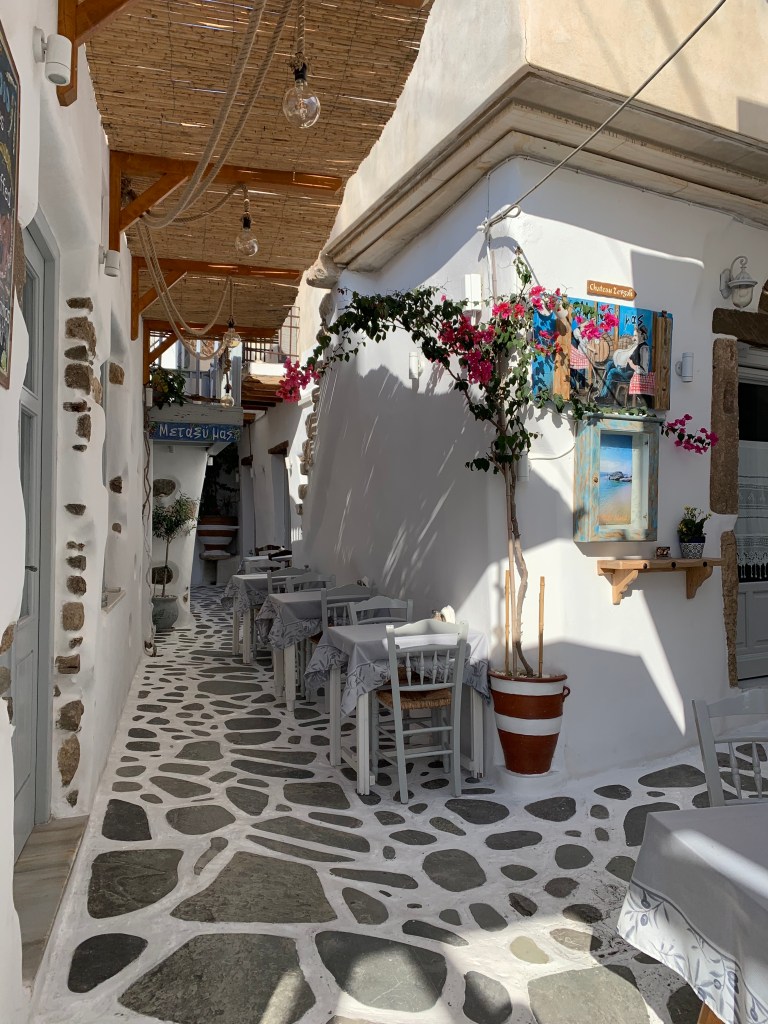
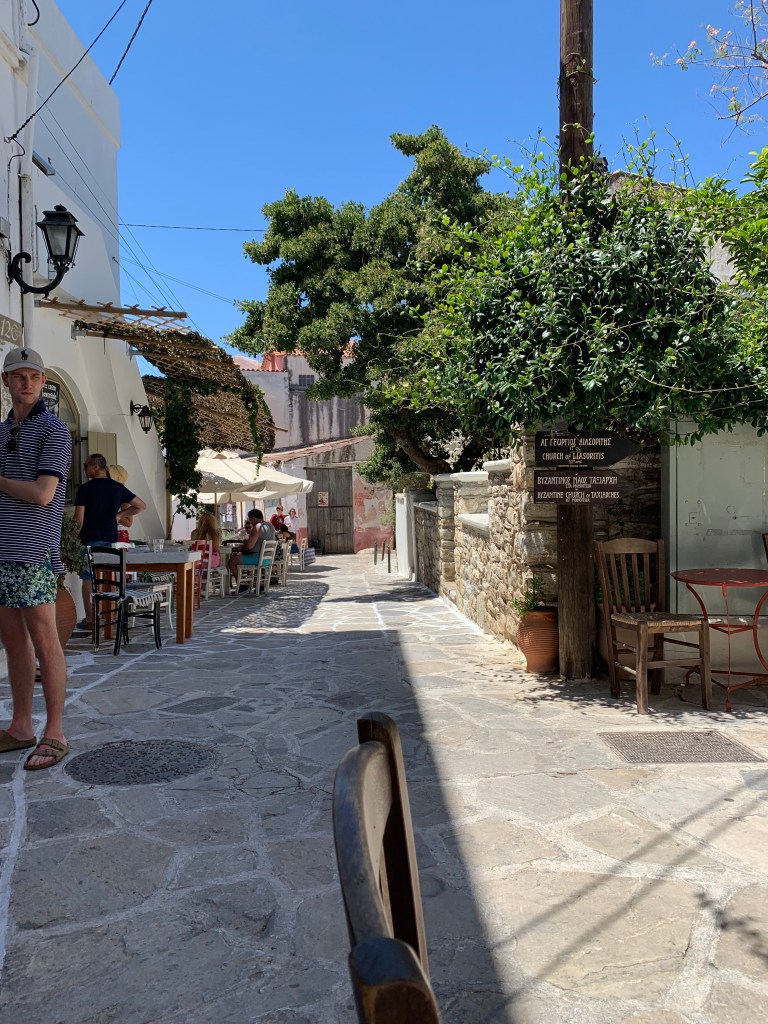
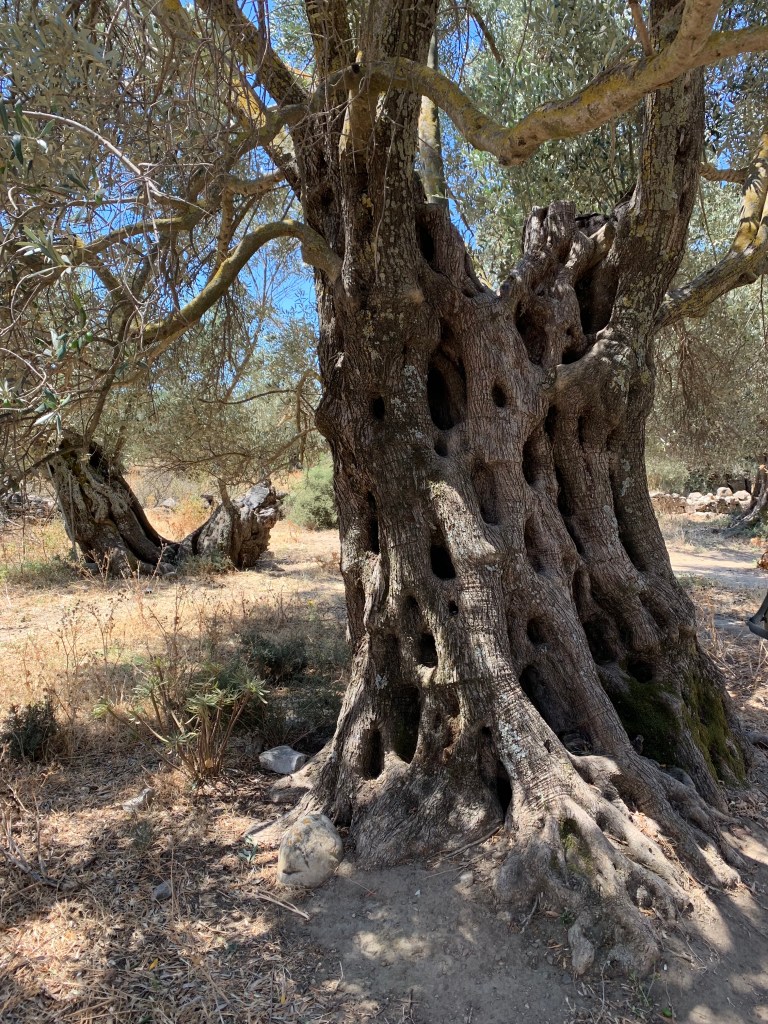
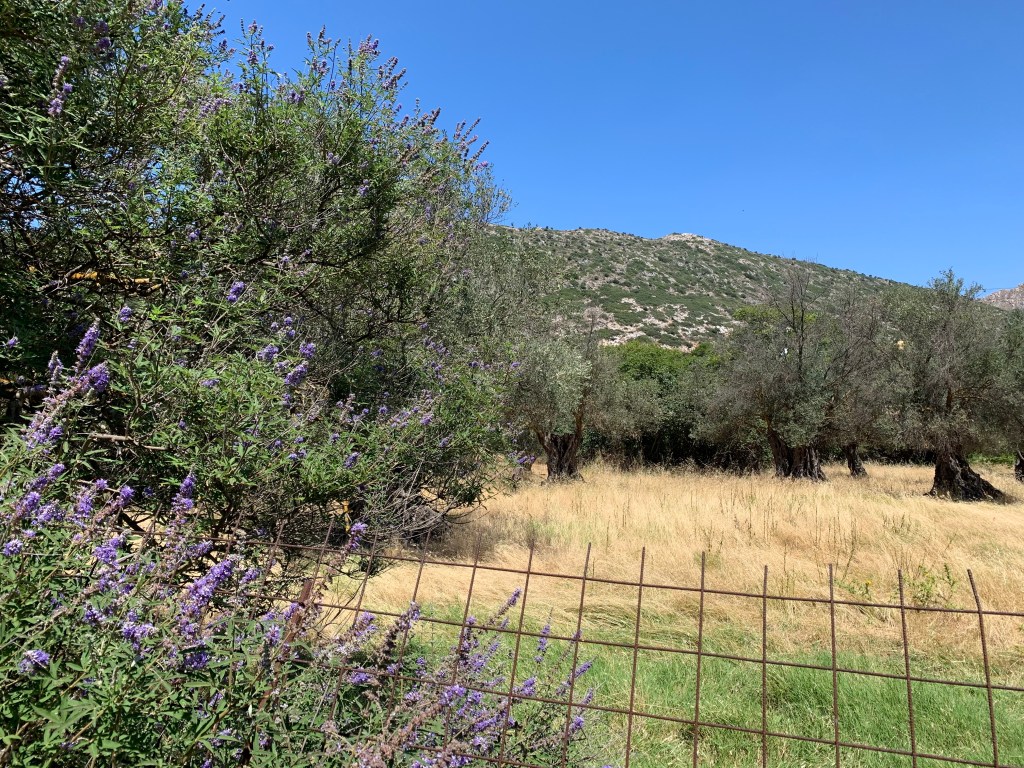
Besides being known for its beaches, Naxos has a variety of mountain villages and hiking trails to explore. Although I didn’t bring proper hiking shoes for this trip (I thought I’d be staying barefoot on the beach), I decided to venture out and see if the white-house-blue-shutter theme would stay true for non-coastal Greek towns. I caught a bus about 16km out to Chalki (pronounced without the C), a traditional village (and once the capital) in the olive grove rich center of the island in the valley of Tragaia.
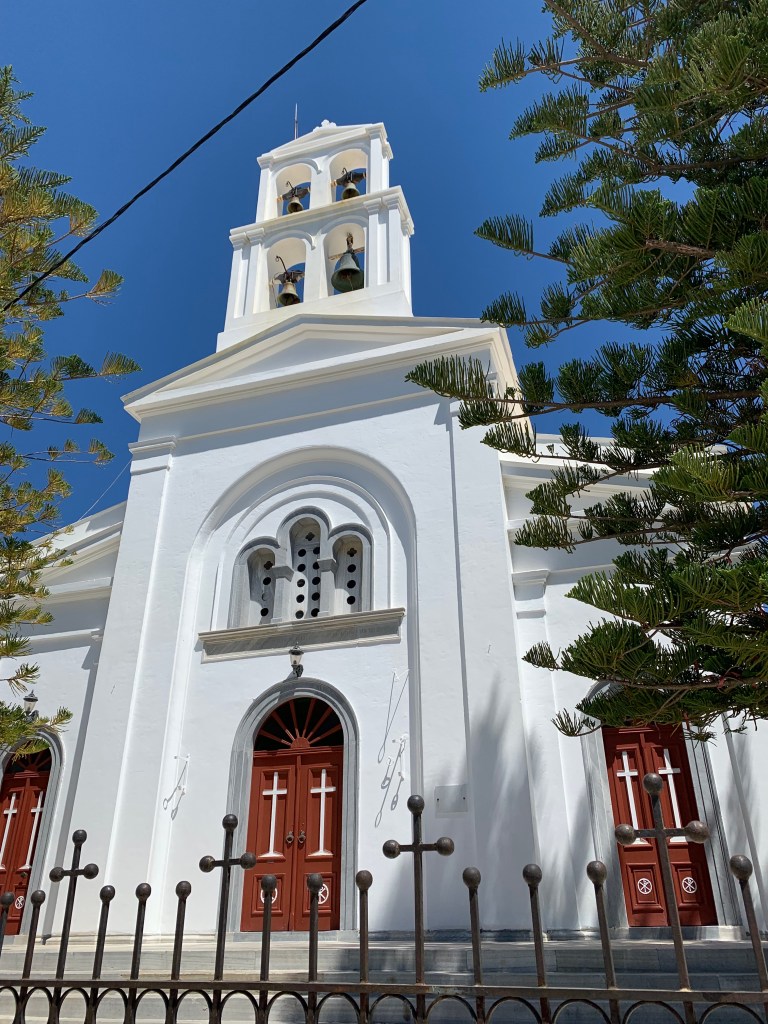
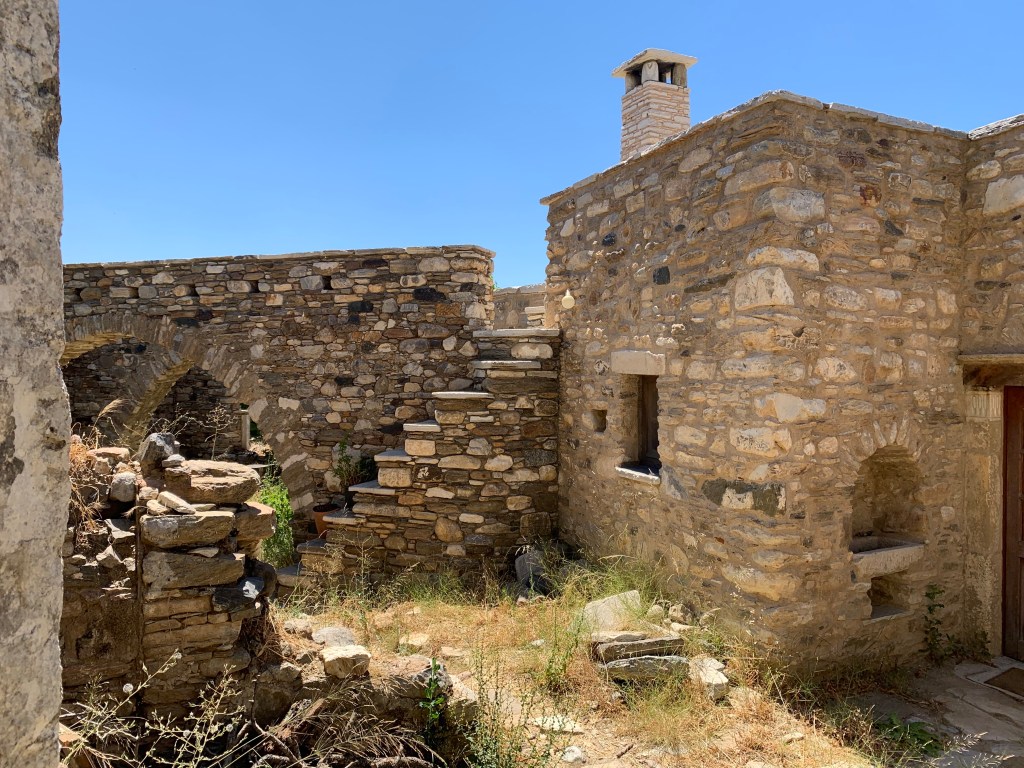
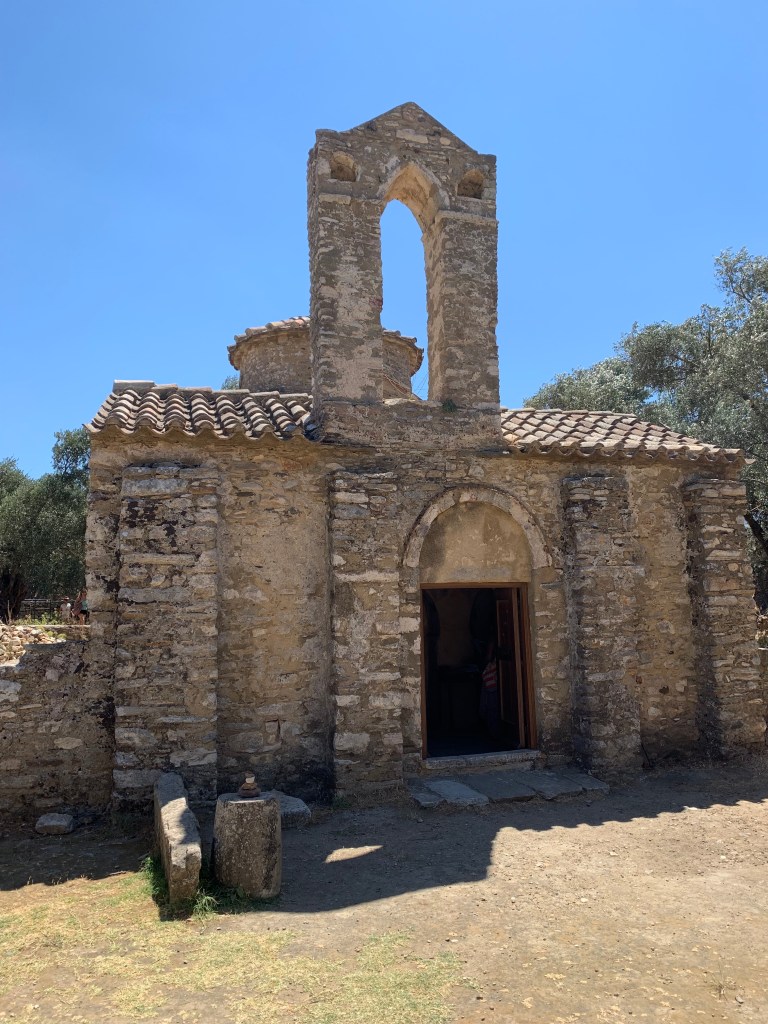
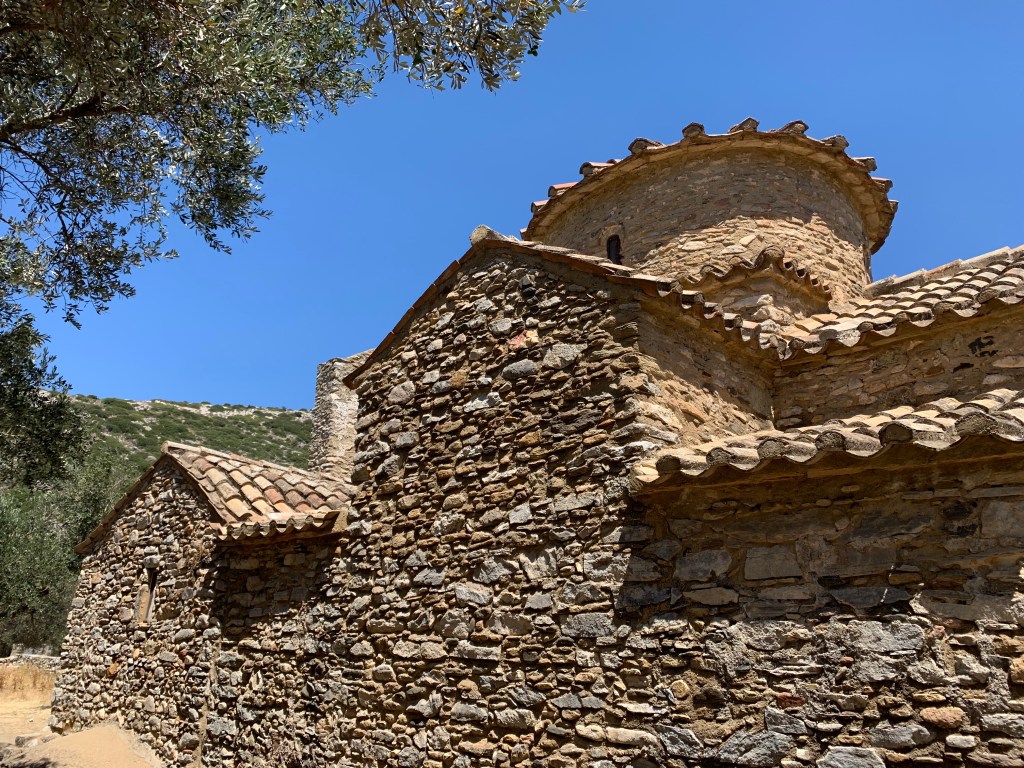
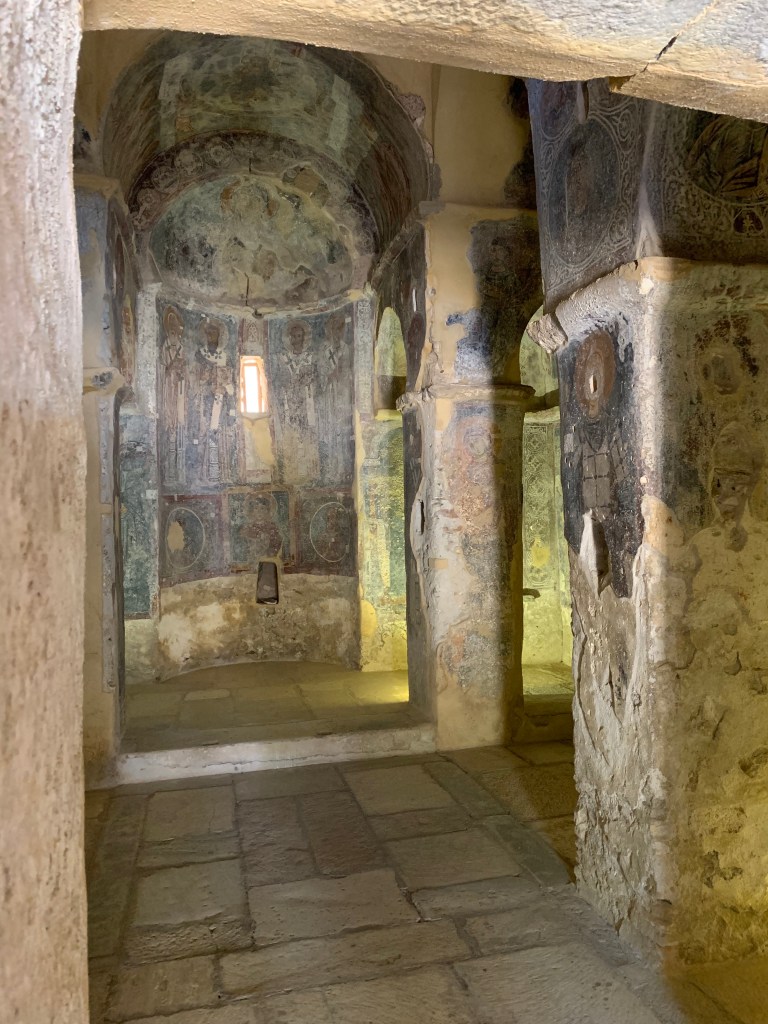
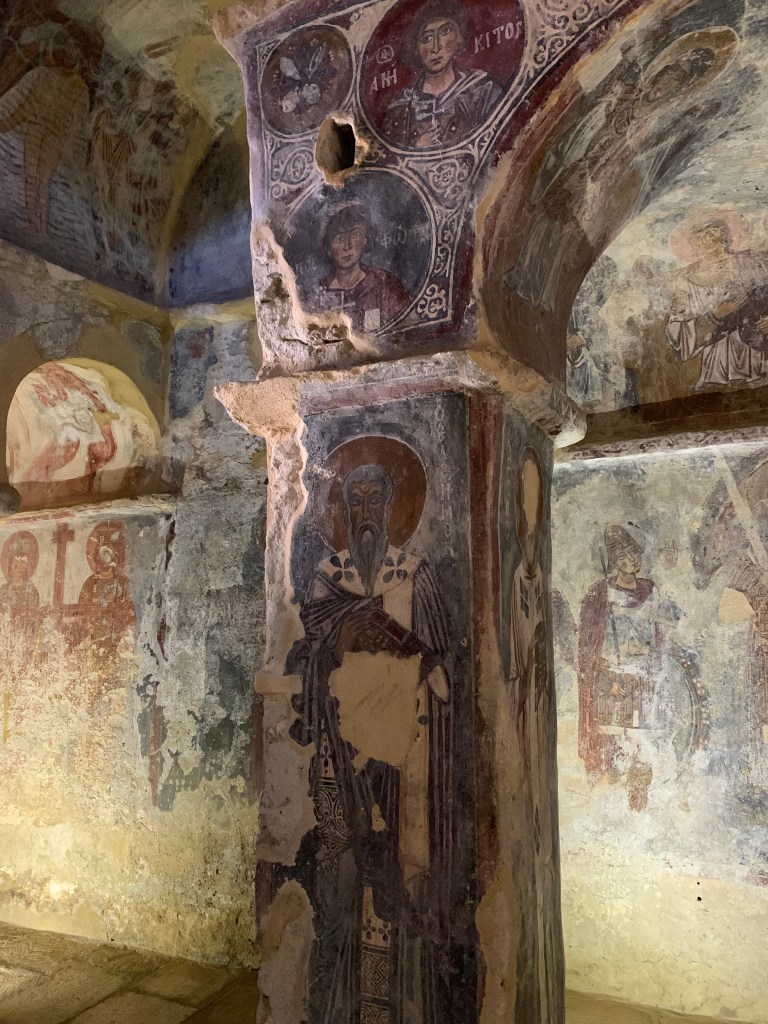
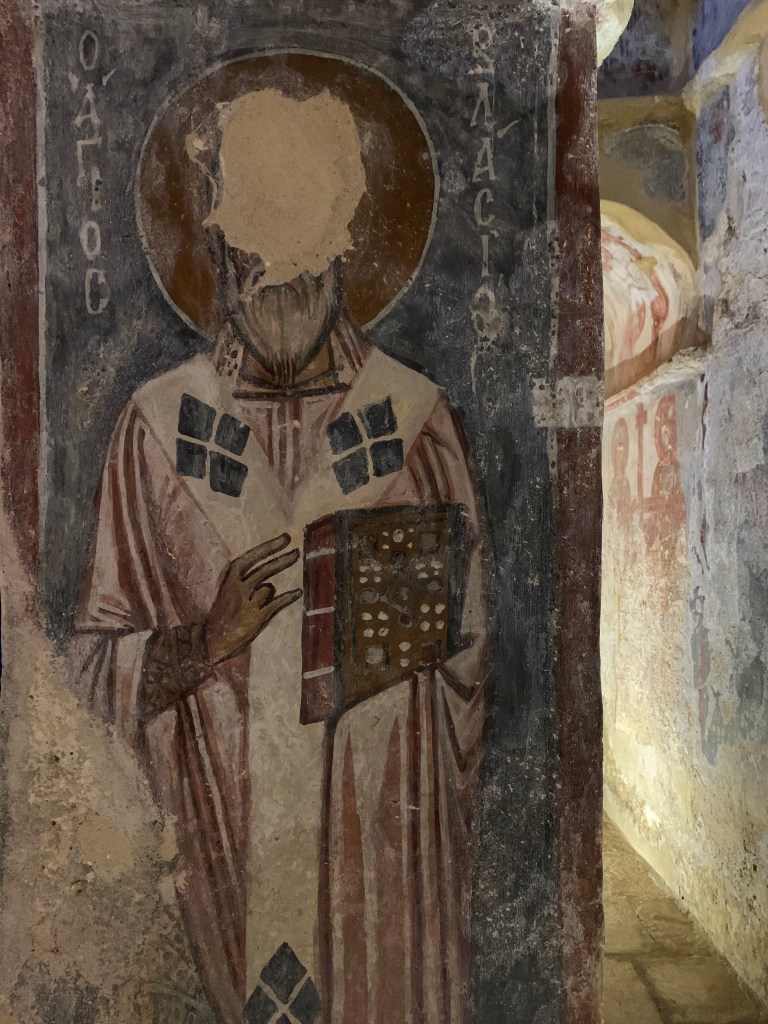
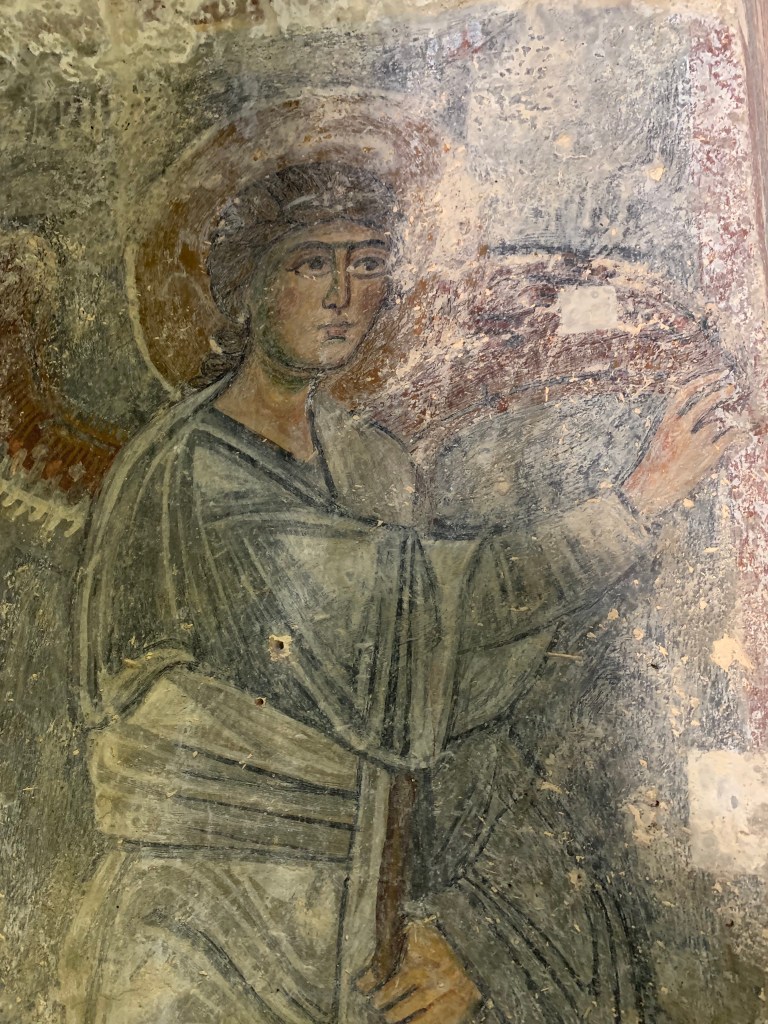
The vibe was quite different from that of a traditional Greek town– bougainvillea and whitewash were traded for olive trees and grey stone. Since most tourists seem to stay chained to their beach chairs, this village was peaceful and felt as if it had barely changed in the past millennium. Various trails around the town led to different Byzantine churches, some dating back to the 11th century and still amazingly preserved. My favorite by far was the Hagios Georgios Diasoritis, an 11th century Byzantine relic with beautiful remaining frescoes and a painted interior.
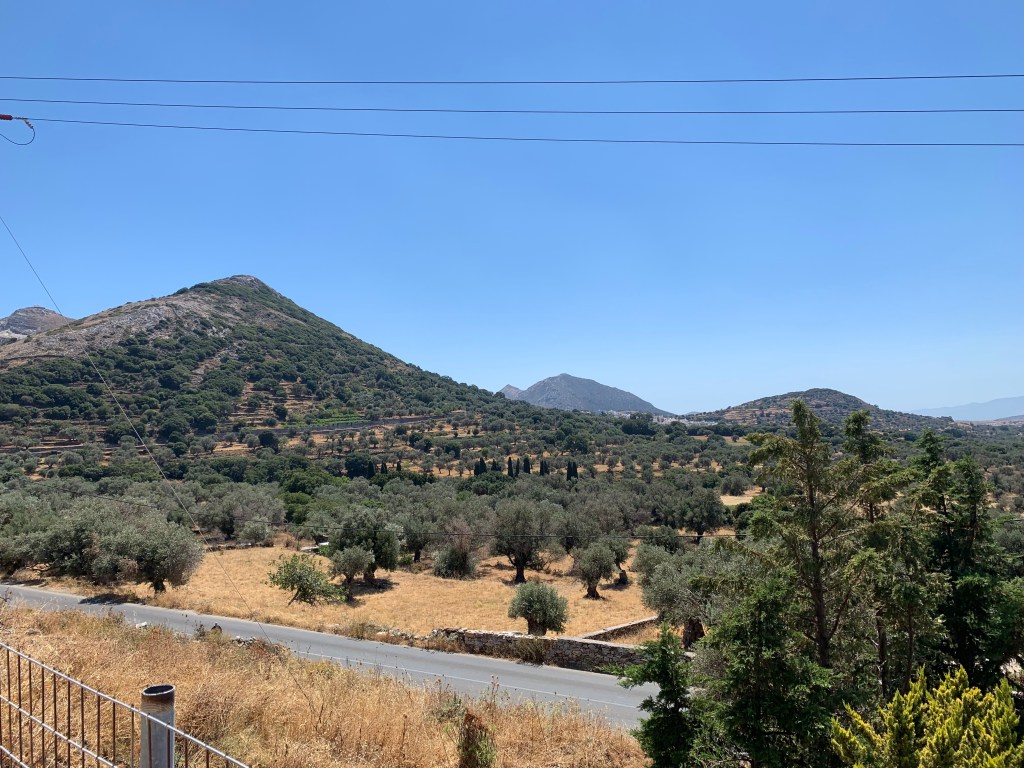
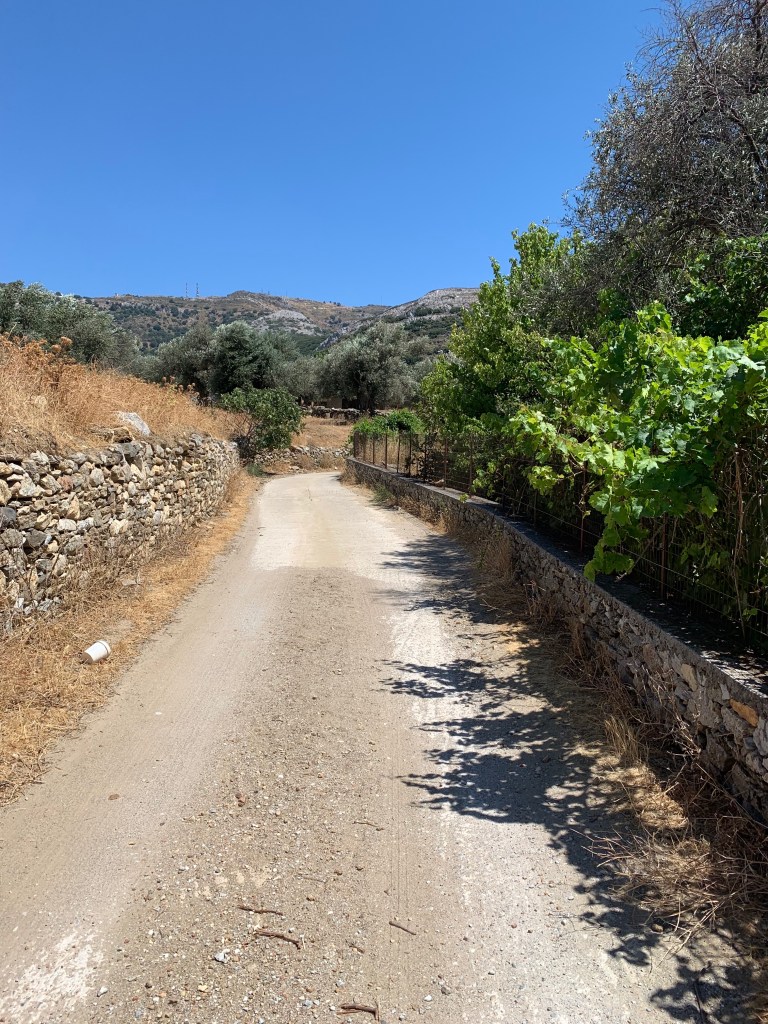
When I finally made it to the next village, Filoti, I was dying of dehydration and overheating. Luckily I ran into another solo traveler also hiding from the sun, and after hitting it off (“oh my god you’re alone too?”), we ended up going for a lunch of Greek salad before heading back to Chora together. Although this island was more family-oriented, we decided to give the nightlife a shot. And as with every Greek night outing, it didn’t disappoint (and I barely made it back in time for my ferry the next morning).

 Chiasmos